
Brazil’s Data Center Advantage Is Getting Stronger
An established digital infrastructure market, a substantial renewable energy base and new investment incentives are strengthening Brazil’s proposition for international data center development. Atlas is advancing opportunities built around that combination.
Brazil already occupies a central position in Latin America’s digital infrastructure. Its scale, connectivity and renewable energy resources have attracted operators serving both domestic demand and international customers. REDATA, Brazil’s new special tax regime for data center services, adds to those foundations, strengthening the proposition for the next wave of data center investment.
For hyperscalers, developers and infrastructure investors allocating capacity across countries, the opportunity is to understand how these advantages work together. A strong location becomes more competitive when the investment framework, the site and the energy solution support the same operating plan.
An established market with room to grow
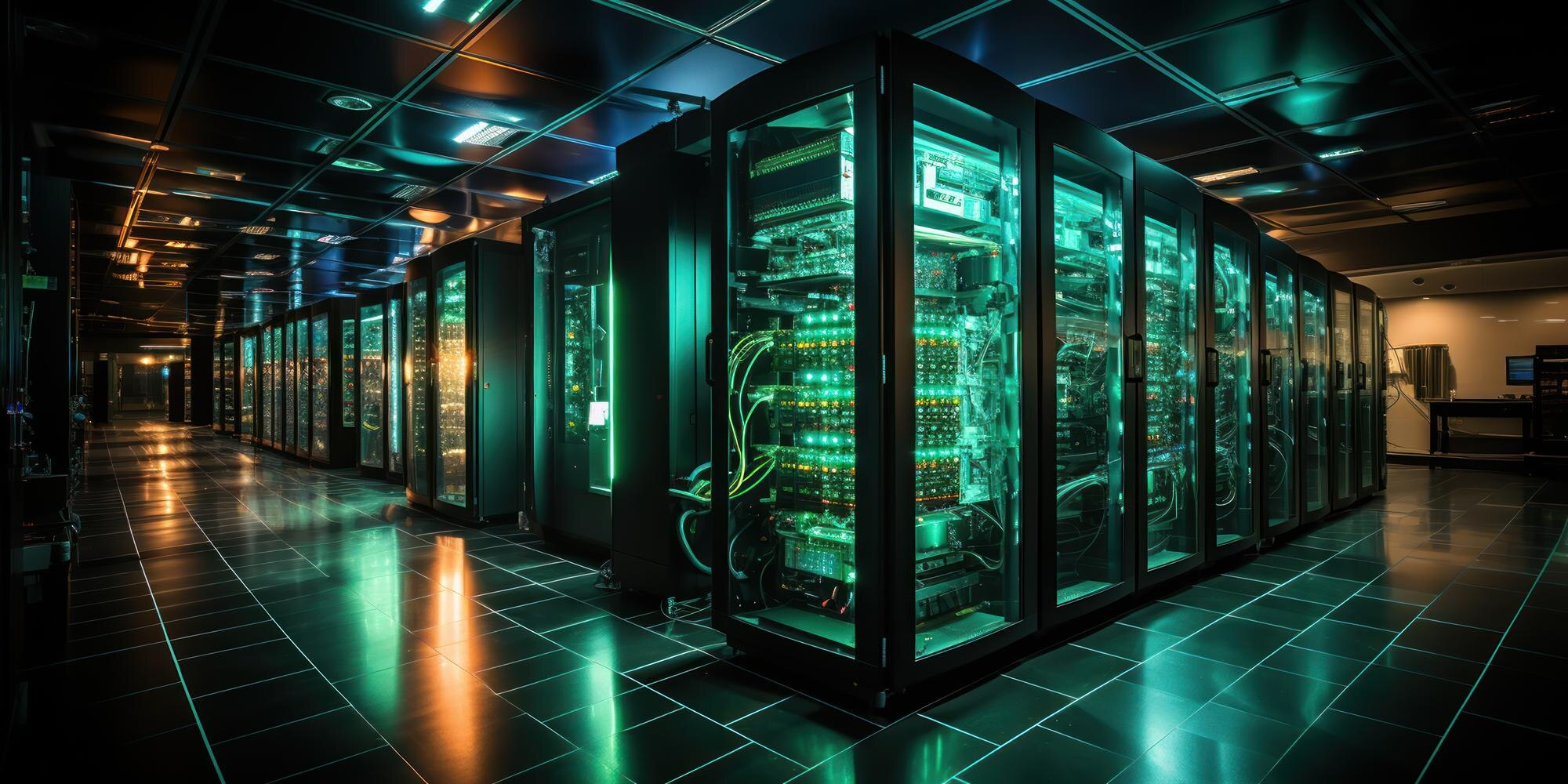
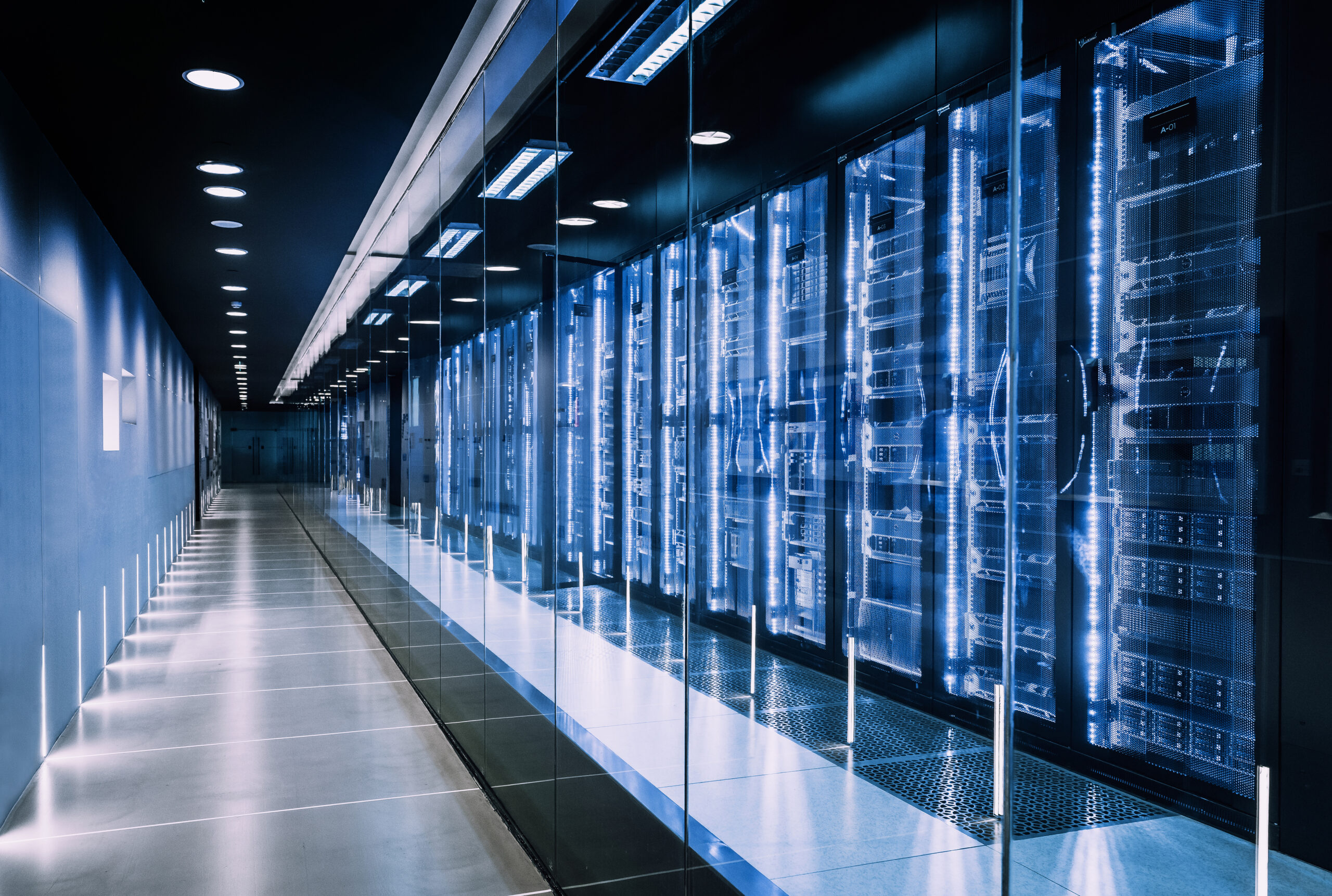
Brazil is Latin America’s largest data center market. Its leading hub illustrates the depth of that position: CBRE reports 536.7 MW of wholesale inventory in São Paulo in the first quarter of 2026, describing it as the region’s largest and most established market. Existing fiber networks and international subsea connectivity support its role in regional and global digital infrastructure.
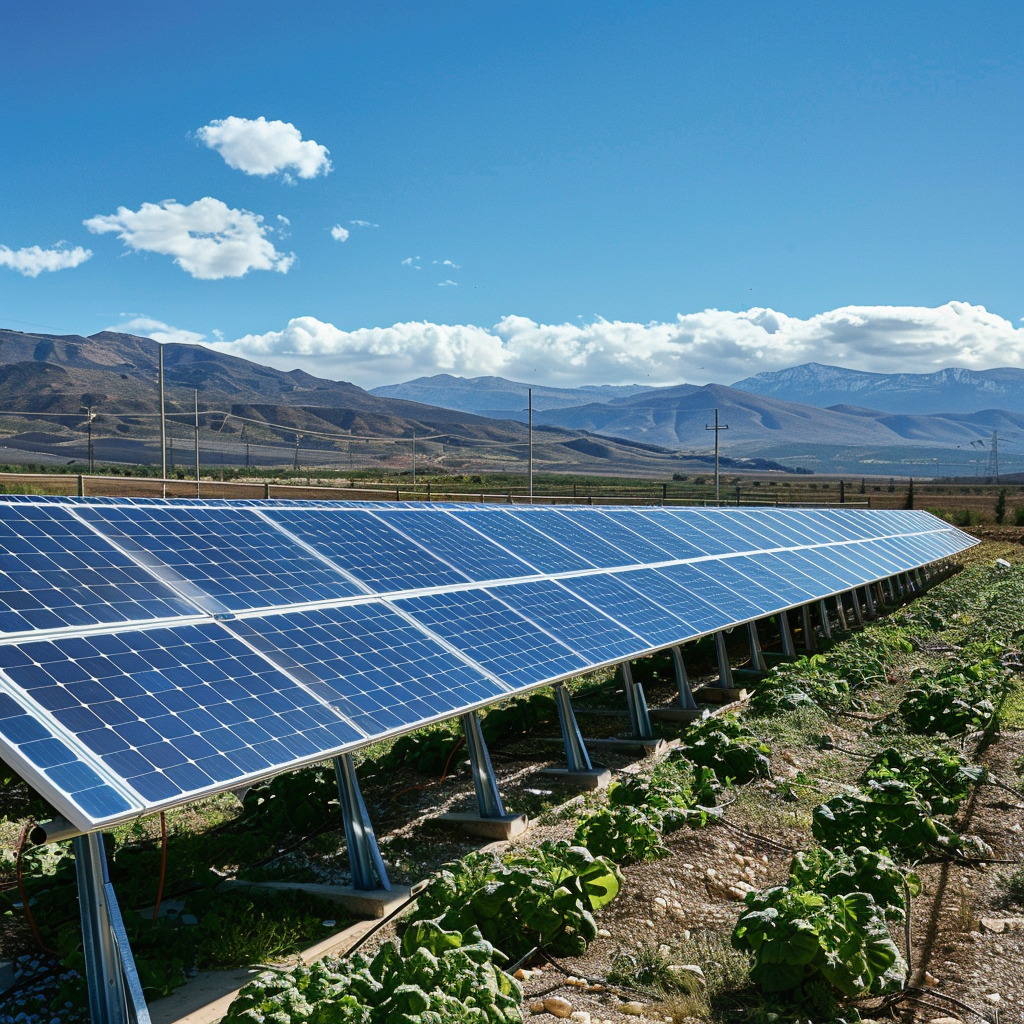
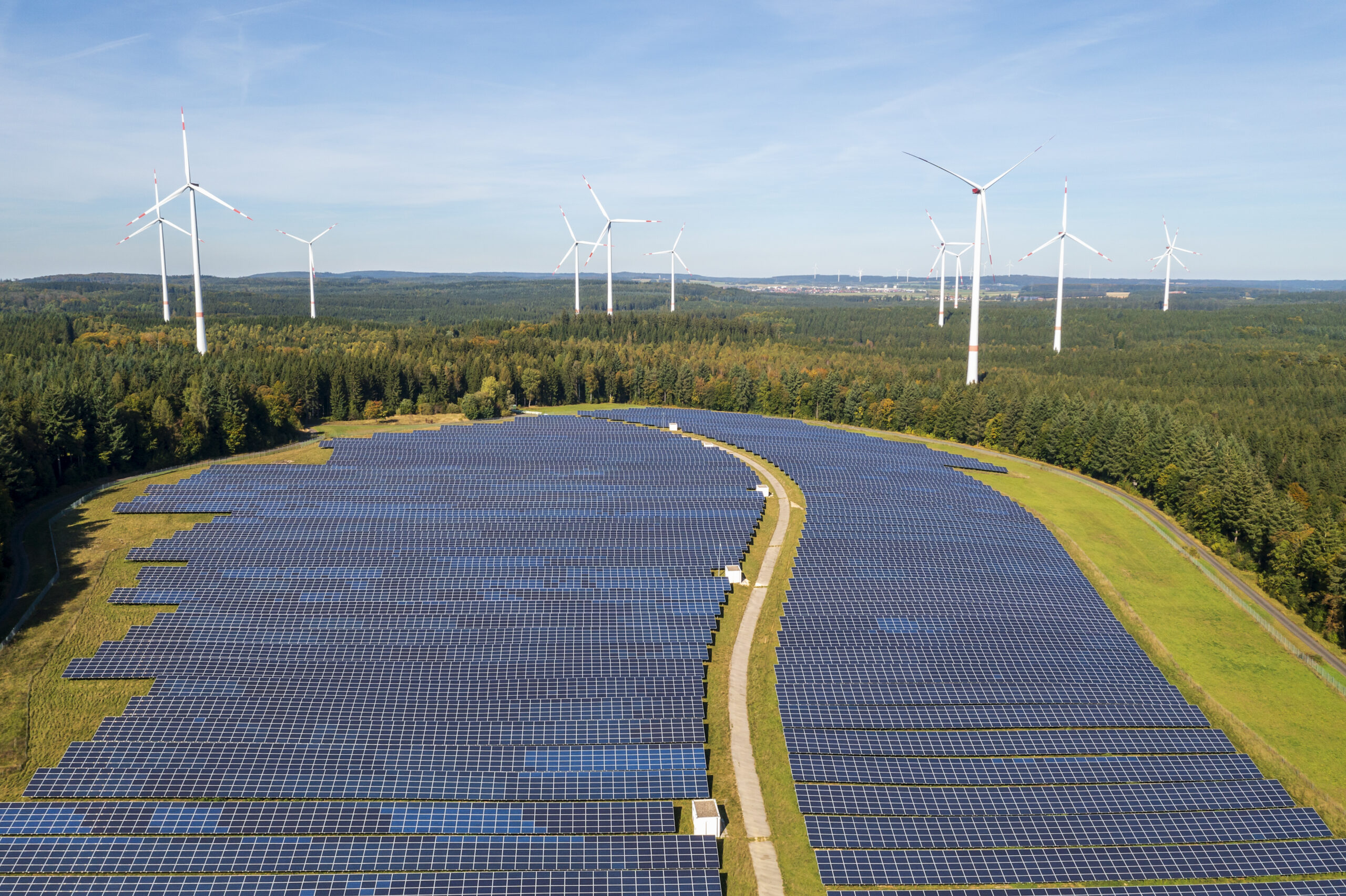
Energy is another substantive advantage. Renewable sources represented 86.8% of Brazil’s electricity supply mix in 2025, according to Brazil’s Energy Research Office (EPE), the federal agency responsible for energy planning studies under the Ministry of Mines and Energy. This creates a strong foundation for customers seeking renewable supply options and competitive long-term energy arrangements. The commercial outcome depends on the chosen location, supply structure and operating profile.
Brazil also offers a range of development settings. Established hubs can support proximity to customers and interconnection ecosystems, while other regions can offer different combinations of land, energy and connectivity. Available capacity must be assessed at the relevant facility or connection point. That diversity allows operators to evaluate opportunities against specific workloads and expansion plans.
What REDATA adds
Enacted in September 2026, REDATA creates a dedicated framework for qualifying data center investment. For companies authorized under the regime, it suspends Import Tax, the PIS/Pasep and Cofins federal contributions levied on revenue (including their import counterparts) and IPI, the federal excise tax on manufactured products, on electronic components and other ICT products acquired domestically or imported for incorporation into fixed assets; the suspension converts to a zero rate once the regime’s conditions are met. The regime runs for five years, but relief from PIS/Cofins and IPI applies only through December 31, 2026, as Brazil’s consumption tax reform replaces these taxes from 2027.
The government estimated approximately R$5.2 billion (Brazilian reais) in tax relief for 2026, falling to R$1 billion in each of the following years, as reported by Agência Senado, the Brazilian Senate’s official news agency. Since the regime was only enacted in mid-September and still depends on regulation, actual relief in 2026 is likely to be considerably lower. This is an estimate of the regime’s aggregate fiscal effect, rather than a grant fund or a saving available to an individual project. It nevertheless signals the scale of the policy commitment to the sector.
For an investor, the practical benefit is the potential to reduce eligible equipment costs and improve project economics. The calculation should reflect the equipment list, purchasing schedule, applicable tax treatment and obligations associated with participation. The five-year framework contains tax-specific transition provisions, so its value needs to be modeled against the actual procurement period.
REDATA also establishes commitments that connect growth to energy sourcing, water efficiency and innovation. Beneficiaries must meet 100% of their electricity demand through supply contracts or self-production (a Brazilian model in which the energy consumer takes an ownership stake in the generation project) from renewable or low-emission sources, with eligible sources to be defined by regulation. Other commitments include research, development and innovation (R&D&I) investment of 2% of the value of products acquired under the regime, allocation of at least 10% of effective data processing and storage supply to the domestic market, and a WUE of ≤0.05 L/kWh, measured annually. These conditions should inform project design from the outset.
A broader investment framework already exists
REDATA joins an existing Brazilian policy environment that includes Export Processing Zones, or ZPEs. These geographically defined areas offer benefits for approved activities meeting the relevant export conditions. The service-export route requires an approved project serving the external market.
ByteDance’s approved service-export project in the Pecém ZPE, in the northeastern state of Ceará, developed with Omnia, is a concrete example of international interest predating REDATA’s enactment. It shows how Brazil’s energy, connectivity and export-oriented framework were already bringing major digital infrastructure projects forward.
For operators, the useful question is which framework fits the intended business. The location, customer base, equipment ownership and domestic or export revenue model all matter. ZPEs and REDATA have different requirements; their benefits should not be assumed to accumulate automatically. Understanding that distinction helps translate policy options into a realistic investment proposition.
Where Brazil fits in international capacity strategies
An international expansion strategy can allocate different workloads to different markets. Brazil offers an established base for serving Brazilian and regional cloud demand, alongside opportunities to evaluate internationally oriented processing.
Selected AI training and batch-processing workloads may permit broader geographic choices, depending on data movement, hardware availability and operating requirements. Latency-sensitive services require a closer match between the location and the users they serve. Data governance, customer contracts and network performance remain part of the workload decision.
For a company evaluating development outside the United States, Brazil therefore offers a substantial existing ecosystem and additional policy support. Each opportunity should be compared against the same business objectives: usable capacity, service performance, total cost and the ability to grow. REDATA can improve the financial proposition of eligible projects within that wider assessment.
Atlas is developing opportunities around these strengths
Since 2024, Atlas has deepened its involvement in Brazil’s data center sector, assessing sites across different regions to address different workload requirements. Technical and economic assessments have identified viable opportunities within that development work.
This provides a practical starting point for discussions with international operators. The conversation can focus on matching a customer’s needs with opportunities already being developed, including the relationship between location, energy requirements and the planned pace of deployment.
REDATA adds another potential source of competitiveness for eligible developments. Its contribution should be evaluated alongside the site’s existing strengths and the structure of the customer’s project. Development-stage opportunities still require the relevant approvals, connection arrangements and project agreements before delivery commitments are made.
Energy designed around the operating plan
Energy supply is Atlas’s core expertise. For data centers, a tailored solution starts with the customer’s required service date, initial demand, ramp-up schedule and availability requirements. Those inputs shape both the supply design and the commercial structure.
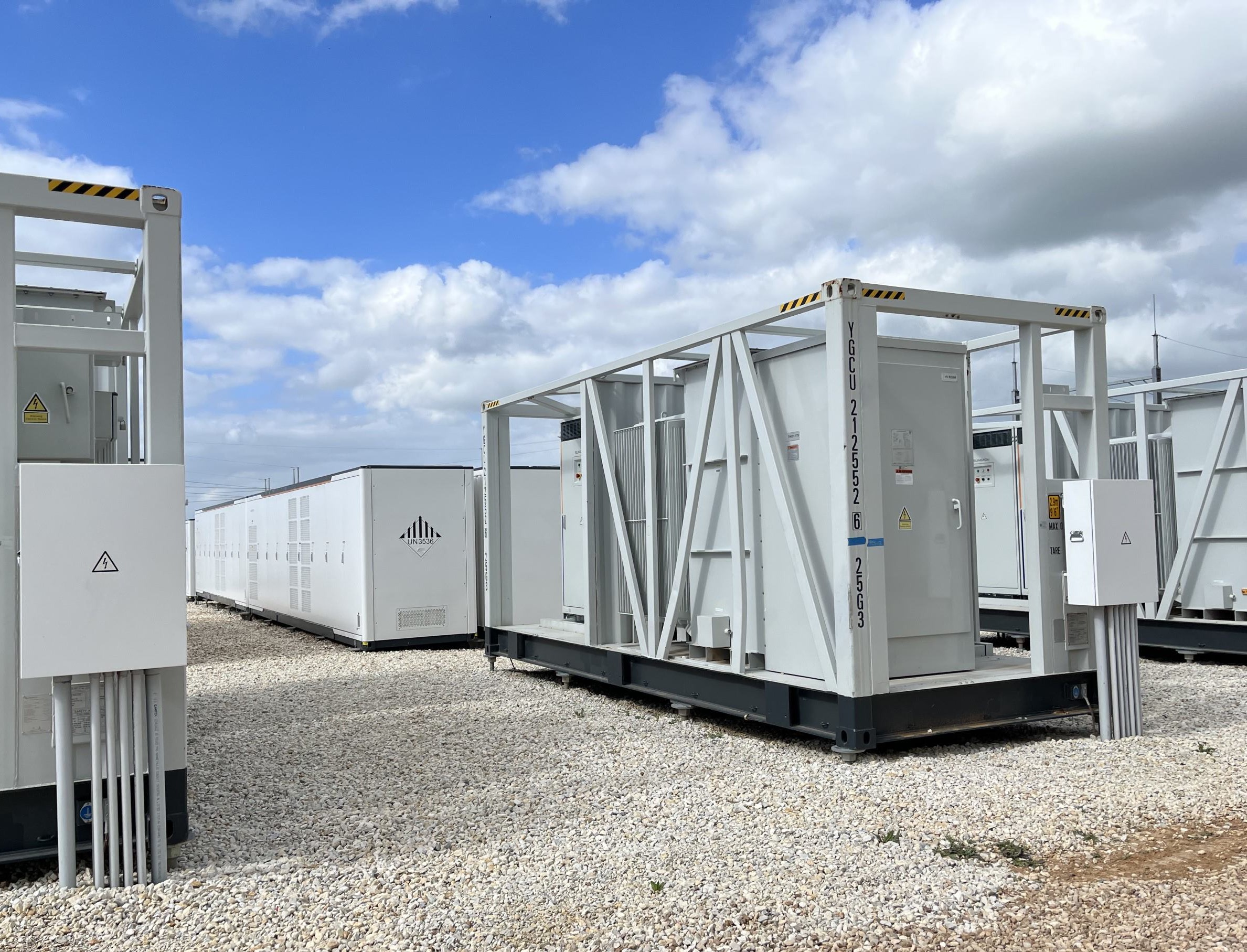
Atlas develops solutions to align energy delivery with the agreed operating profile. That includes assessing the volumes needed at each phase, the treatment of changes in demand and the arrangements required to support the specified availability level. Connection planning and facility resilience must be coordinated with the energy solution so responsibilities are clear.
Commercial design is equally important. Long-term supply contracts and eligible self-production structures can offer different combinations of pricing, commitments and risk allocation. Atlas evaluates those alternatives to pursue competitive energy costs suited to the customer’s development horizon. The objective is an arrangement that supports operations as the campus grows.
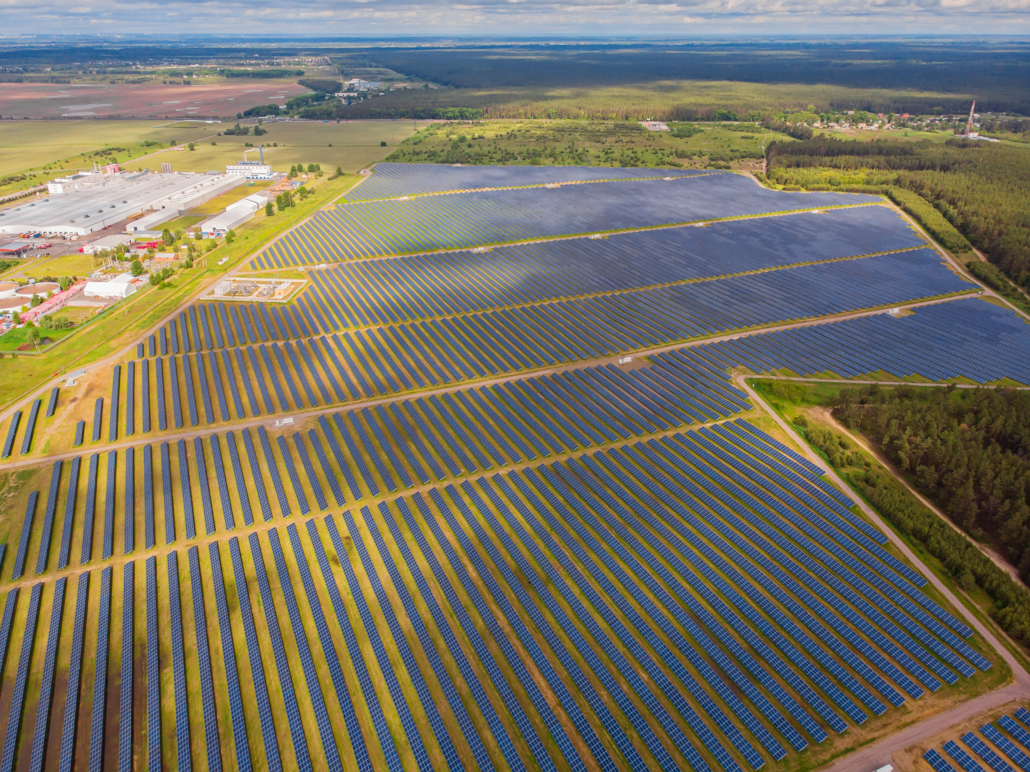
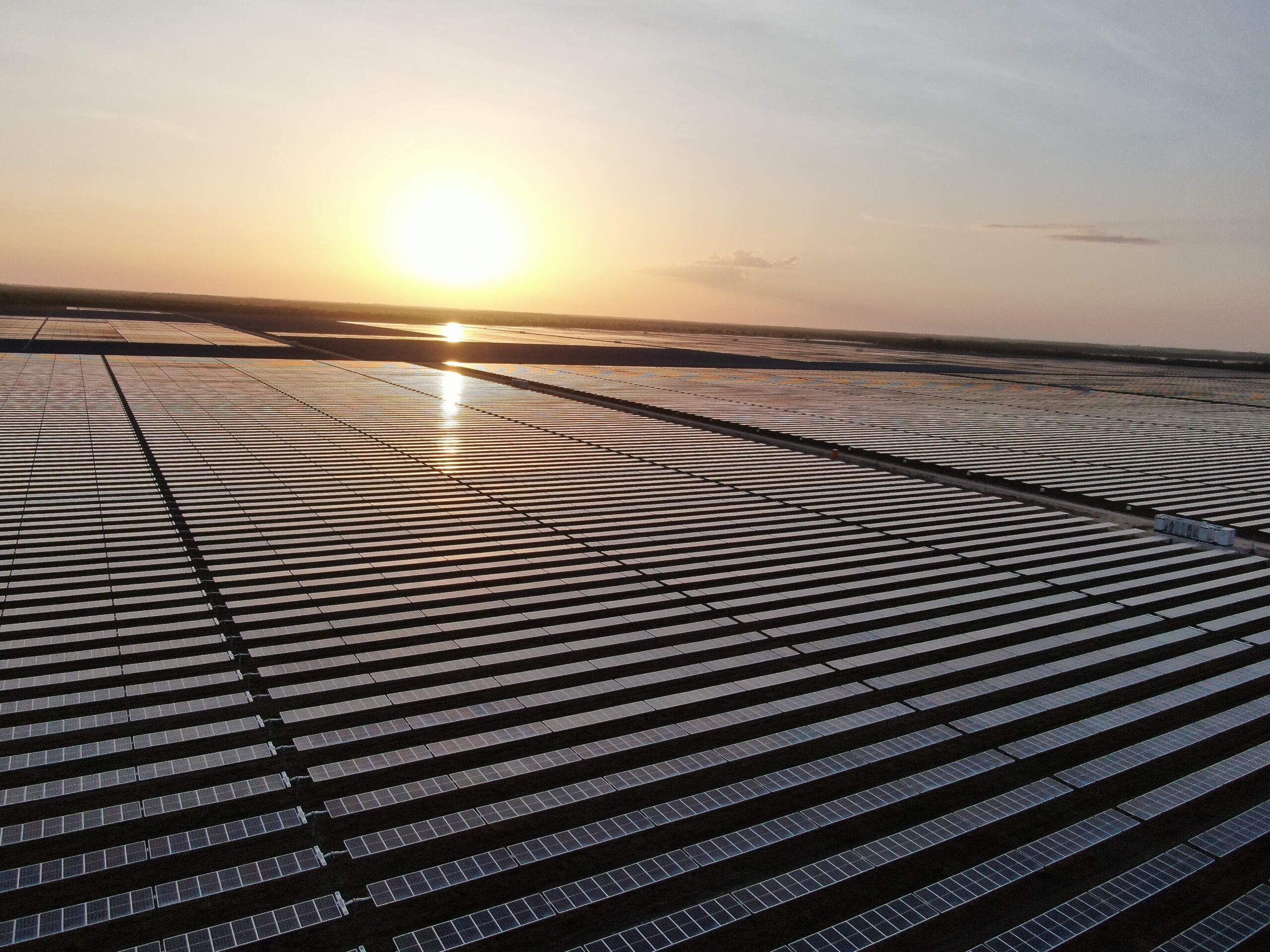
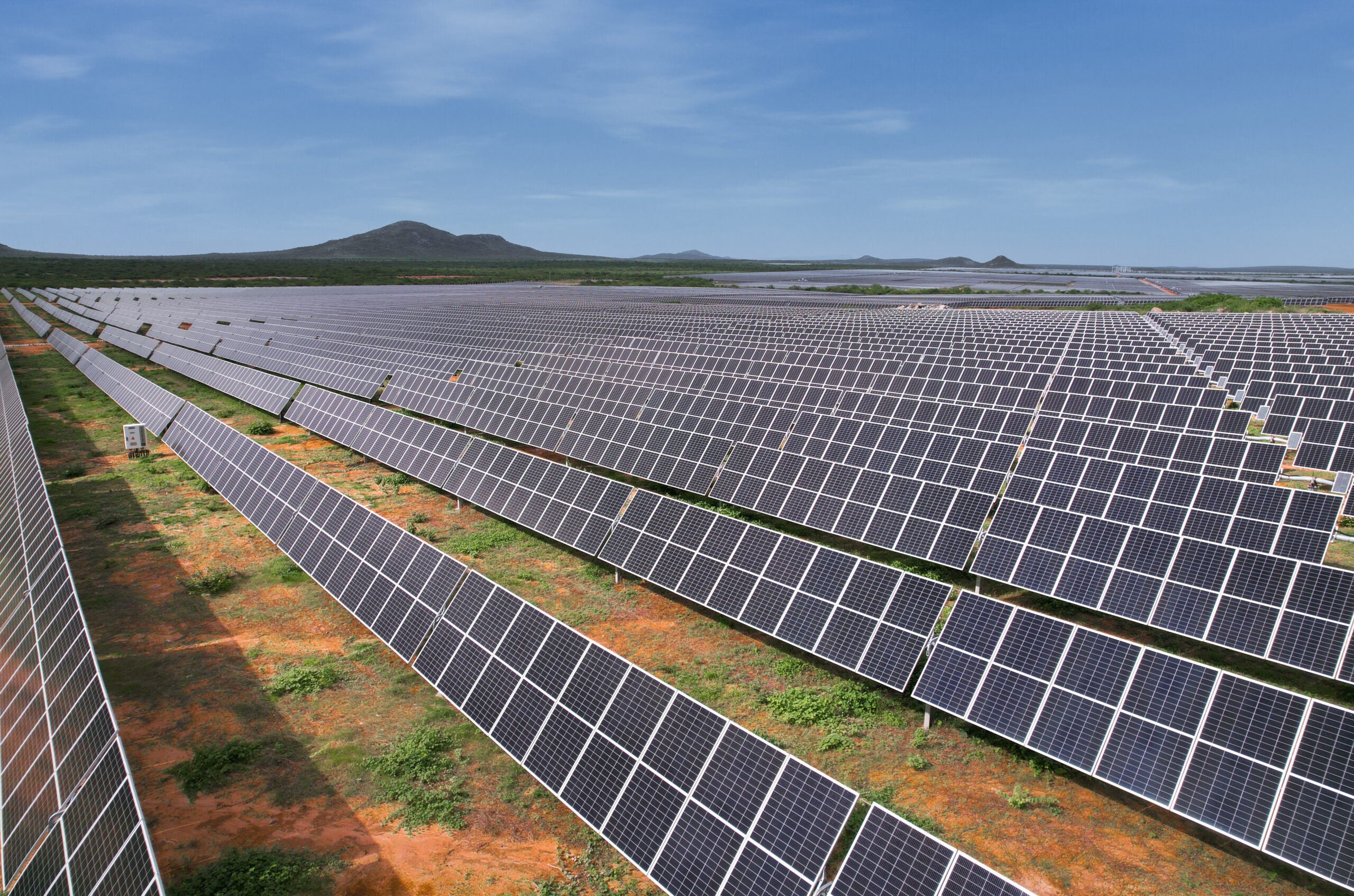
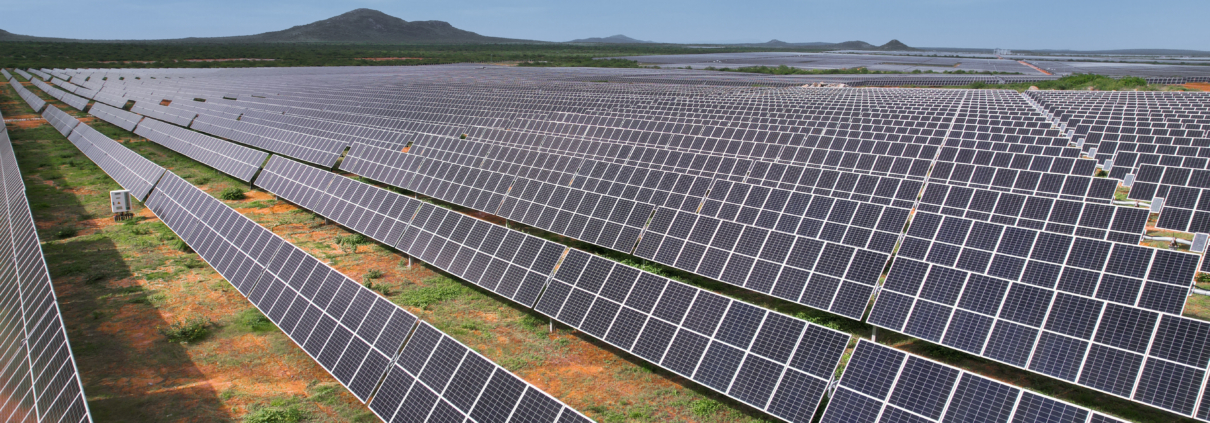
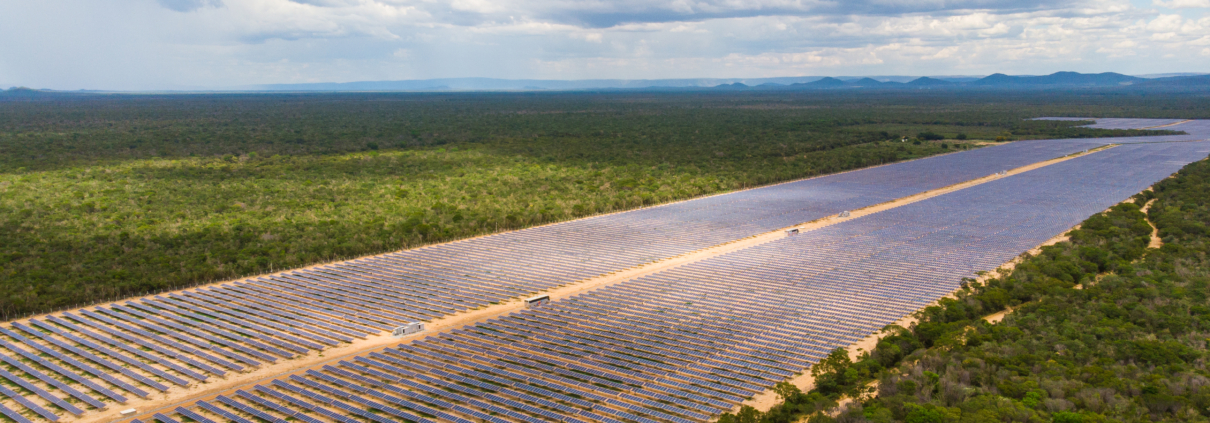
Brazil already offers a relevant precedent. In November 2024, Atlas announced an agreement with V.tal, a São Paulo-based digital infrastructure company, supported by Atlas’s Draco solar plant in Minas Gerais. The arrangement allocates 710 GWh annually to V.tal’s buildings and to the current and future data center portfolio of Tecto, V.tal’s data center business. The self-production partnership shows how structured renewable energy solutions can support digital infrastructure.
A stronger proposition for the next phase
Brazil’s data center opportunity rests on established strengths. REDATA adds an important investment instrument to that foundation, while existing regimes such as ZPEs remain relevant to qualifying business models.
Atlas’s role is to connect those advantages with concrete development opportunities and energy solutions shaped around the customer. For international teams planning new capacity, that creates a substantive discussion about where to develop, how to supply it and how to support growth over time.
Explore Atlas’s data center development opportunities in Brazil and the energy solutions that can support your next phase of capacity.
Share This Entry