
Latin America as a Digital Hub: Logistical Variables for Scaling Data Centers in the Region

The viability of a data center campus in Latin America is determined at the site-selection stage. Timely access to power, block-by-block scalability, and robust electrical integration shape both initial operations and long-term expansion. We examine Querétaro, Atacama, and São João da Barra.
The effective deployment of data centers hinges on the interplay of critical variables: firm energy, efficient cooling schemes, connectivity, and regulatory predictability. These factors are universal, yet their level of maturity and alignment vary significantly across markets.
In Latin America, this combination determines whether a project can scale efficiently and maintain operational continuity—or remain exposed to structural risks from the outset.
This dynamic has a concrete foundation. According to the International Renewable Energy Agency (IRENA), electricity demand associated with data centers in South American countries is projected to reach approximately 36 TWh by 2030, 64 TWh by 2040, and 86 TWh by 2050.
This growth will represent a substantial share of the region’s net increase in electricity demand, driven by new, high-consumption, always-on loads.
Against this backdrop, energy is emerging as a structural determinant of digital expansion. Its availability, reliability, and cost influence not only operational viability but also the pace of growth, the trajectory of future expansions, and the ability to sustain critical operations over time.
This shift requires sustained investment in both electrical infrastructure and new generation assets capable of reliably serving an increasingly energy-intensive sector.
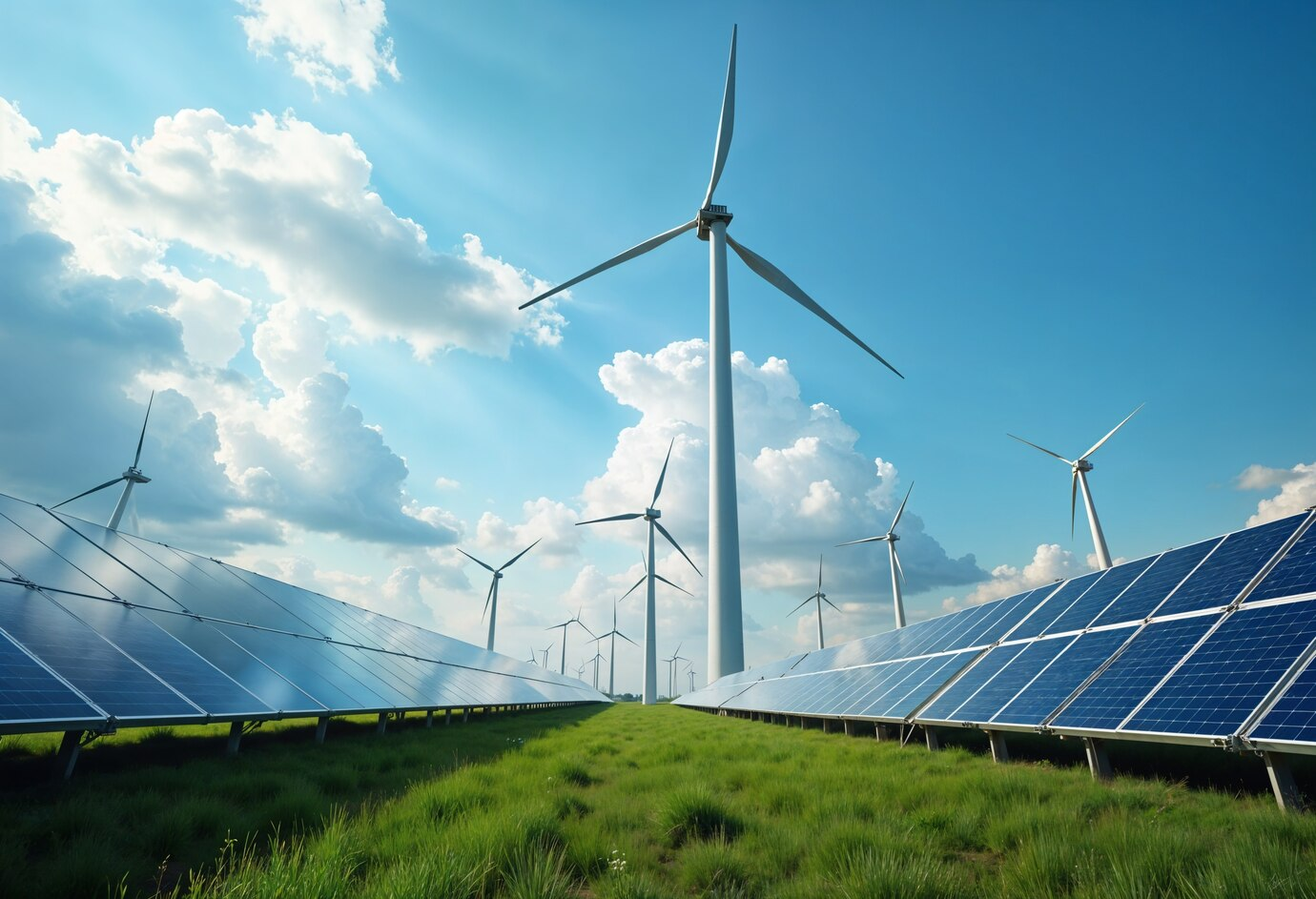
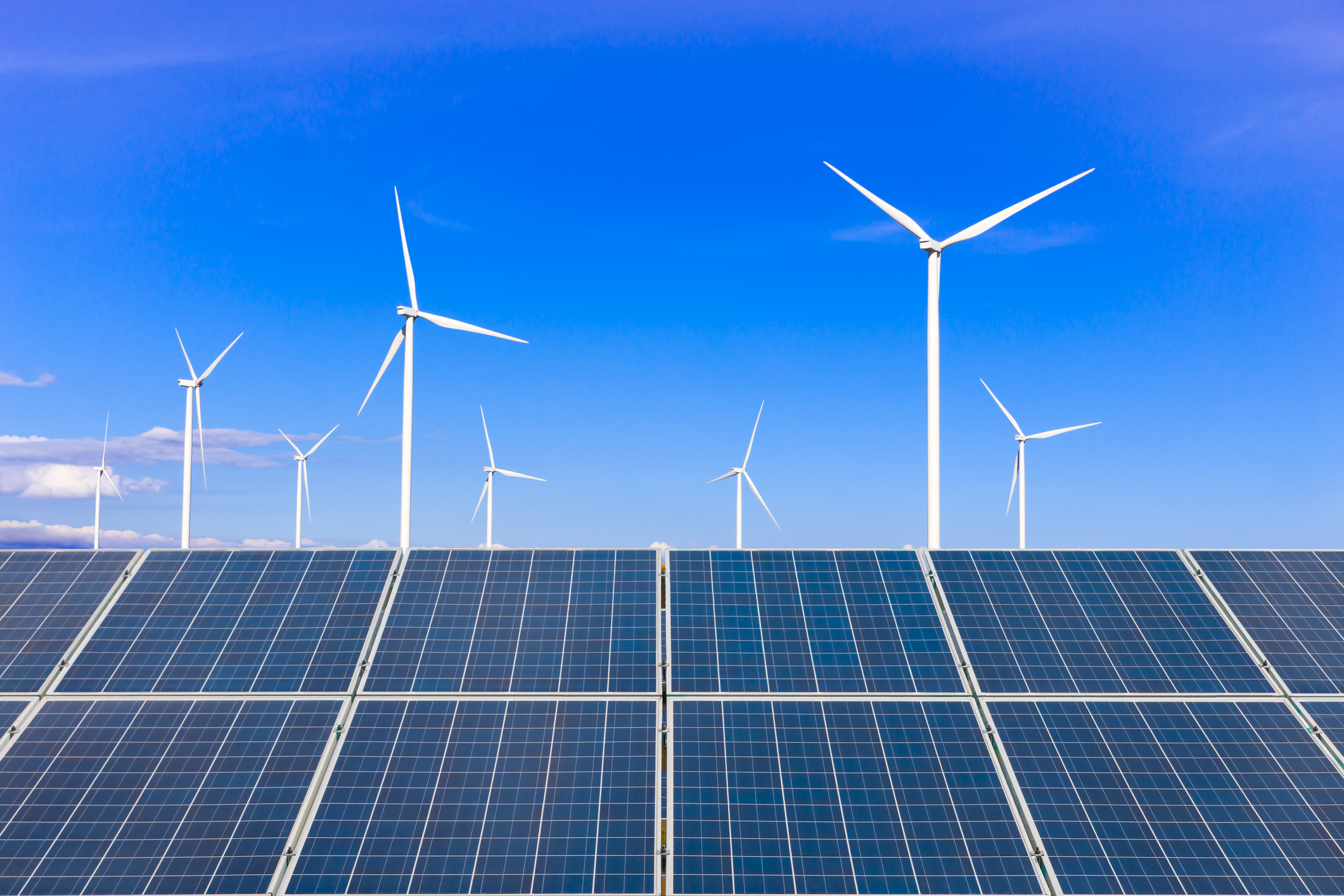
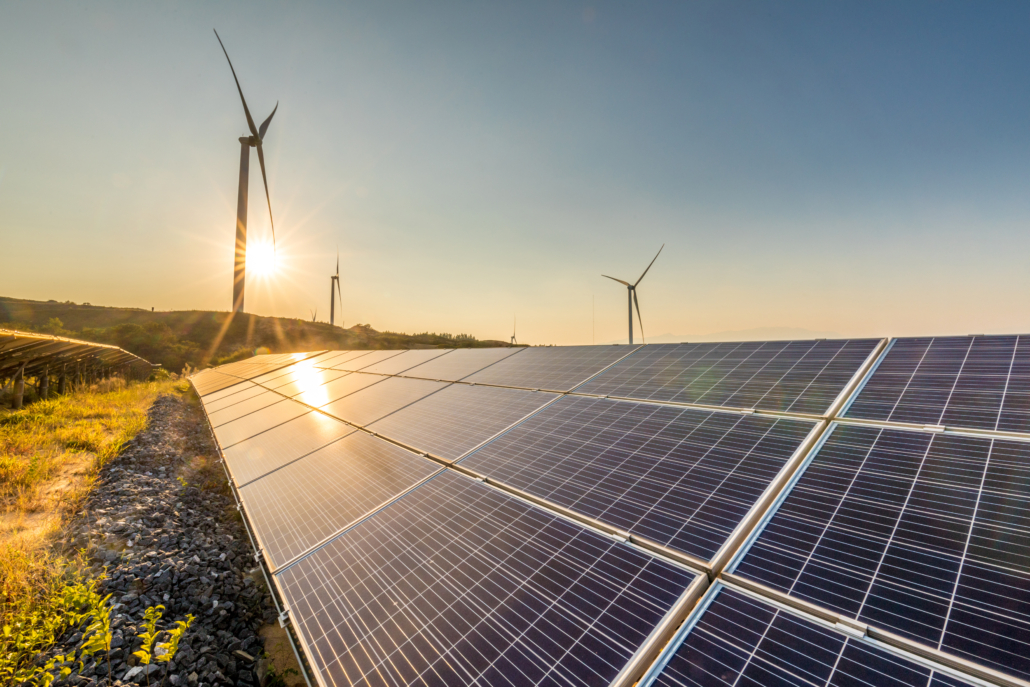
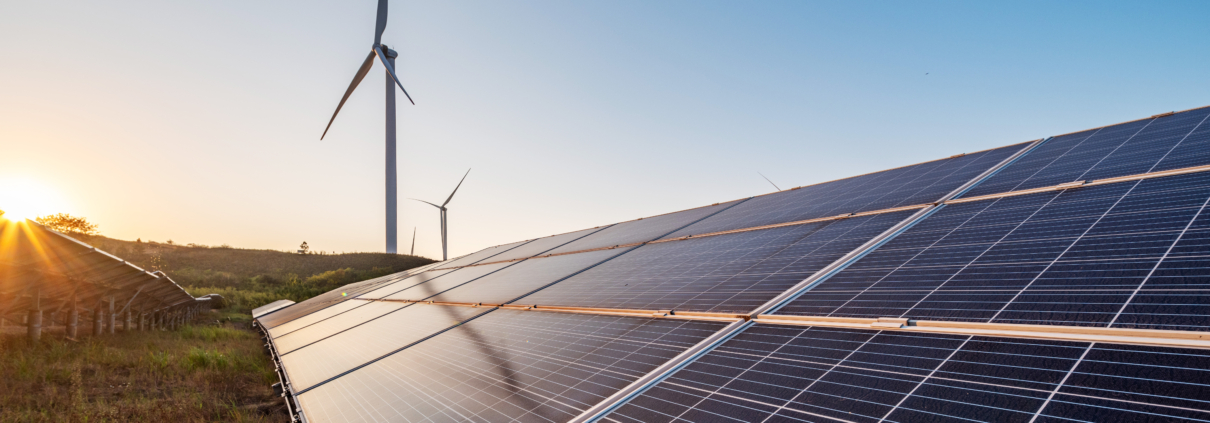
In particular, access to non-conventional renewable energy sources—such as solar and wind—combined with firm capacity and transparent regulatory frameworks, is redefining where large-scale digital infrastructure can be deployed viably.
These conditions are not uniformly present across all markets. Chile, Brazil, and Mexico illustrate how the integration of renewable energy sources with the electrical infrastructure and clear regulatory regimes creates both tangible opportunities and constraints that must be evaluated at the site-selection stage.
Chile: Utility-Scale Solar and Regulatory Maturity
In practice, the decision to deploy or expand data center capacity depends on the long-term operational certainty a market can provide.
In this regard, Chile distinguishes itself by combining regulatory stability, high penetration of renewable energy, and a predictable institutional environment for critical infrastructure projects. Simultaneously, transmission congestion and capacity constraints at certain system nodes have elevated site selection as a decisive variable in enabling new facilities.
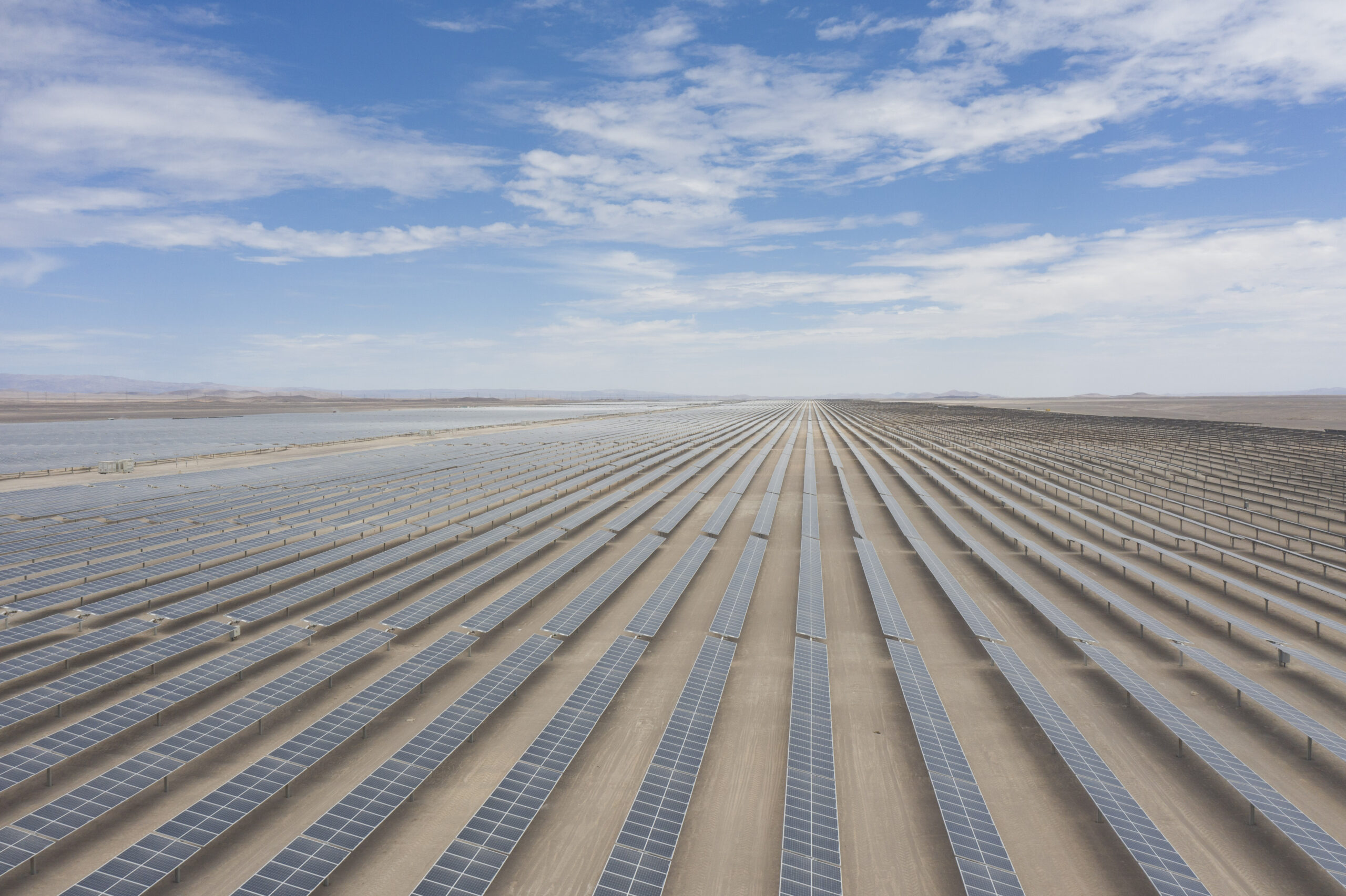
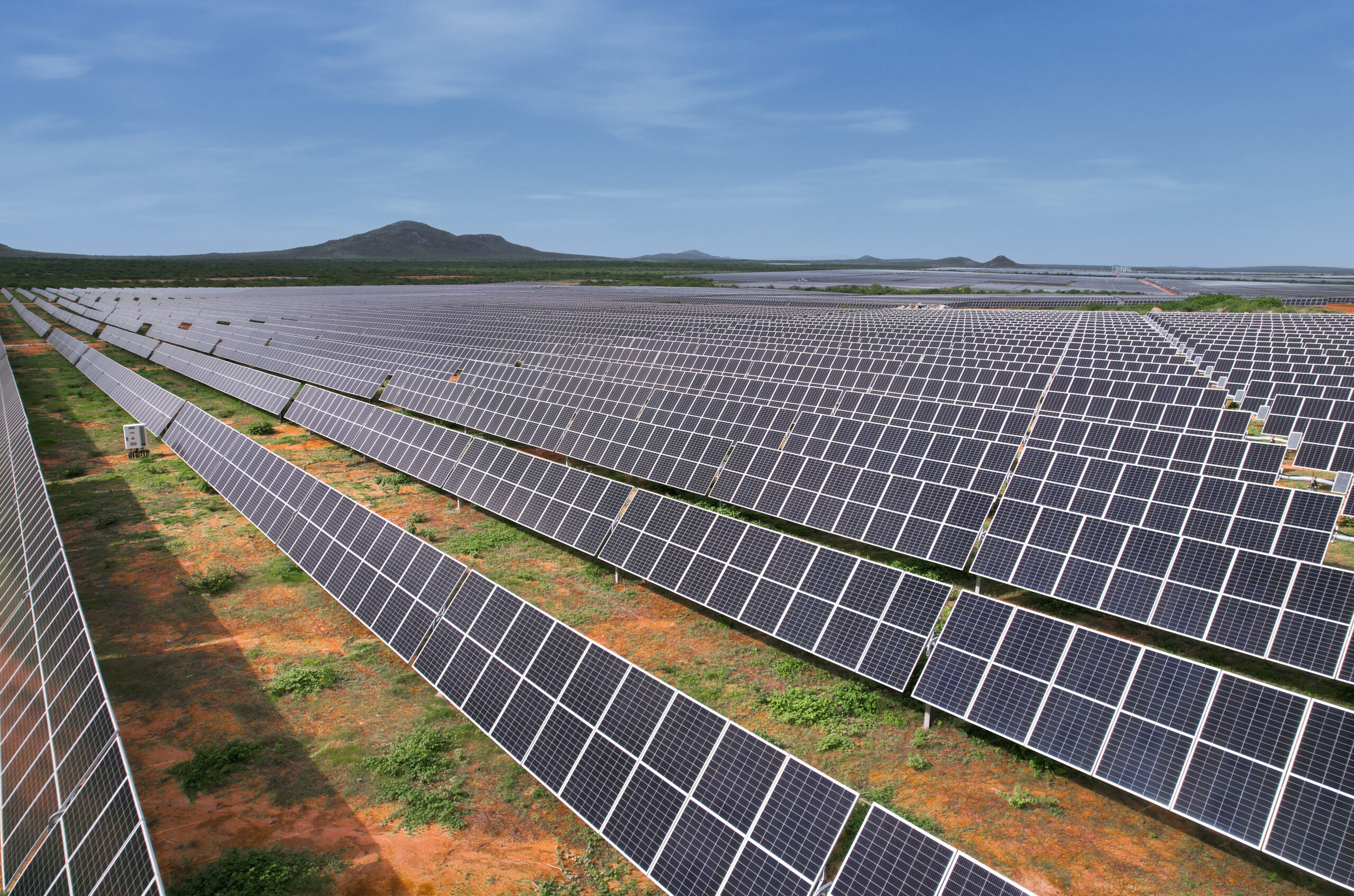
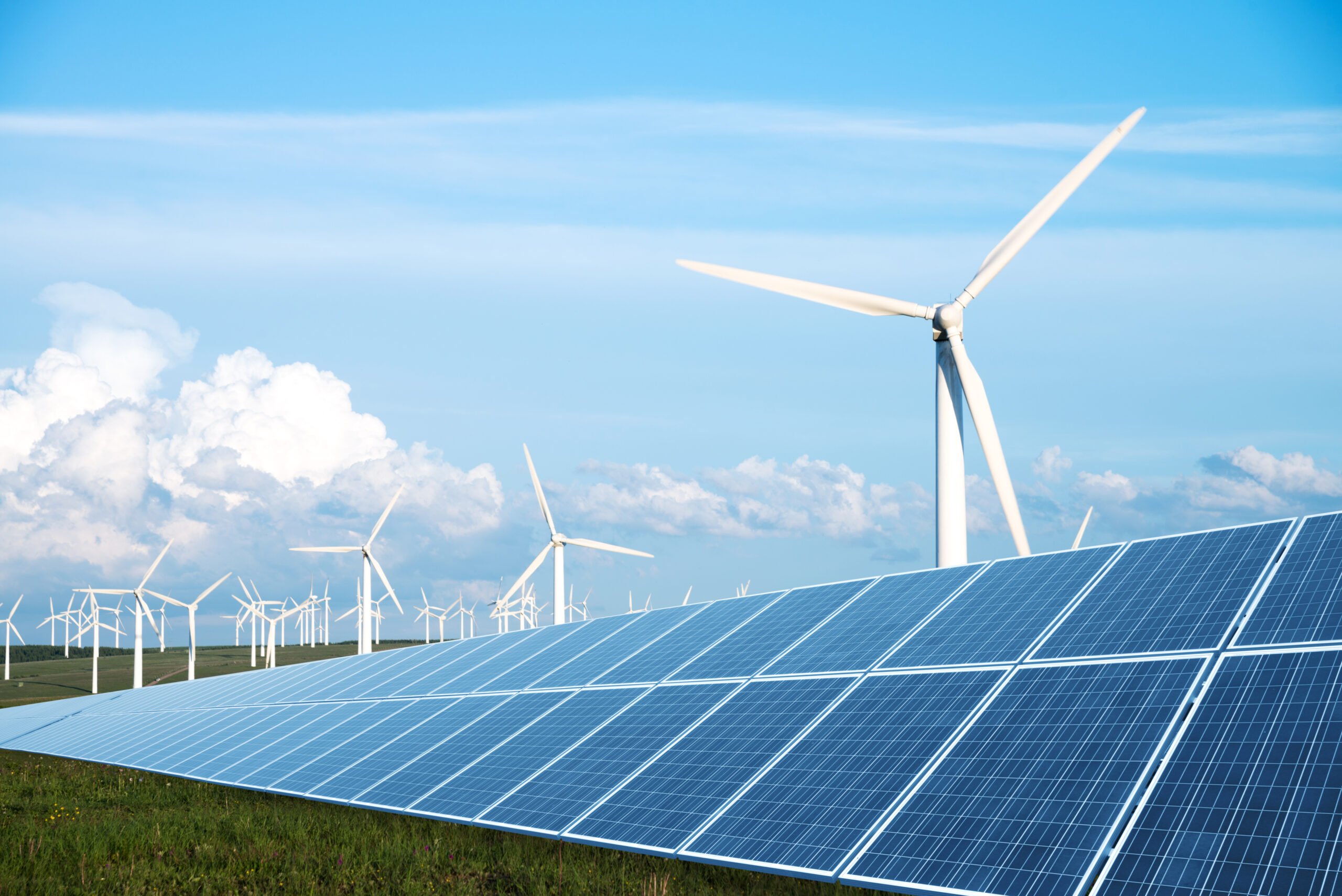
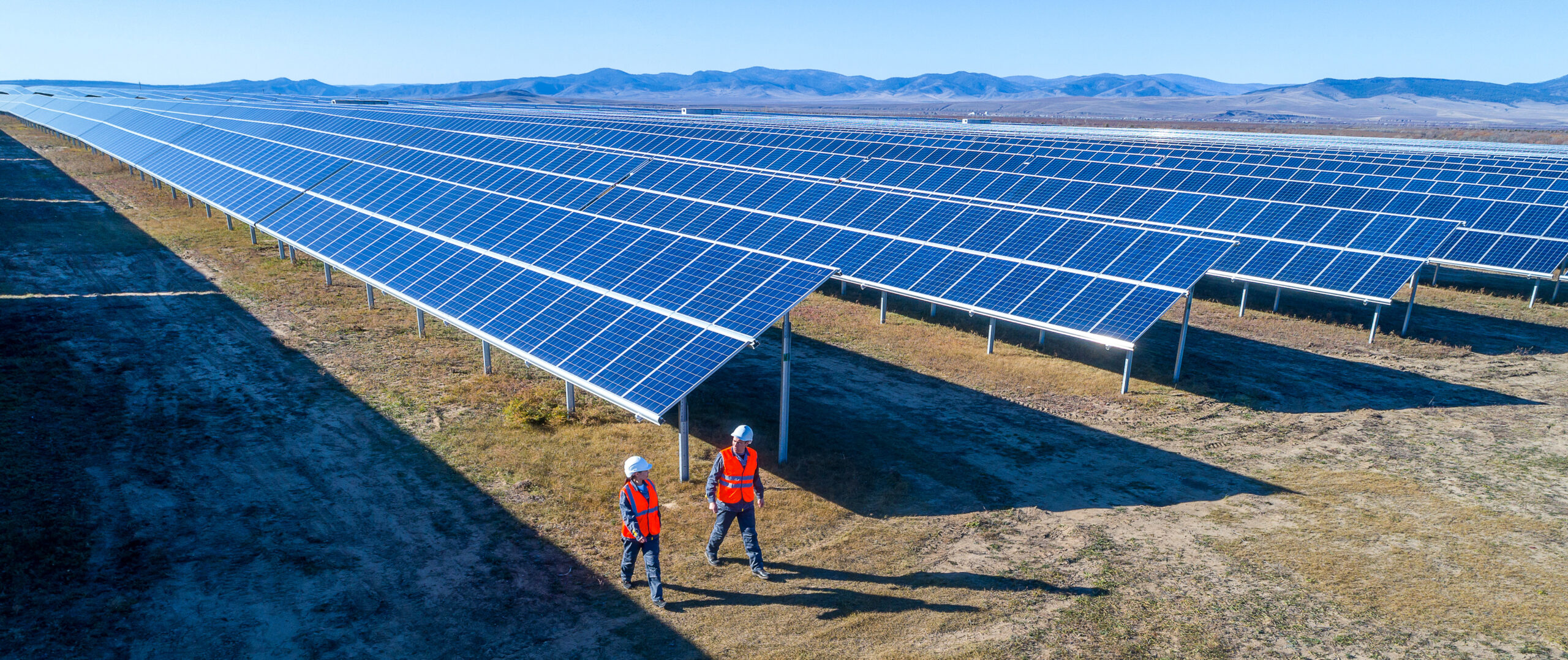
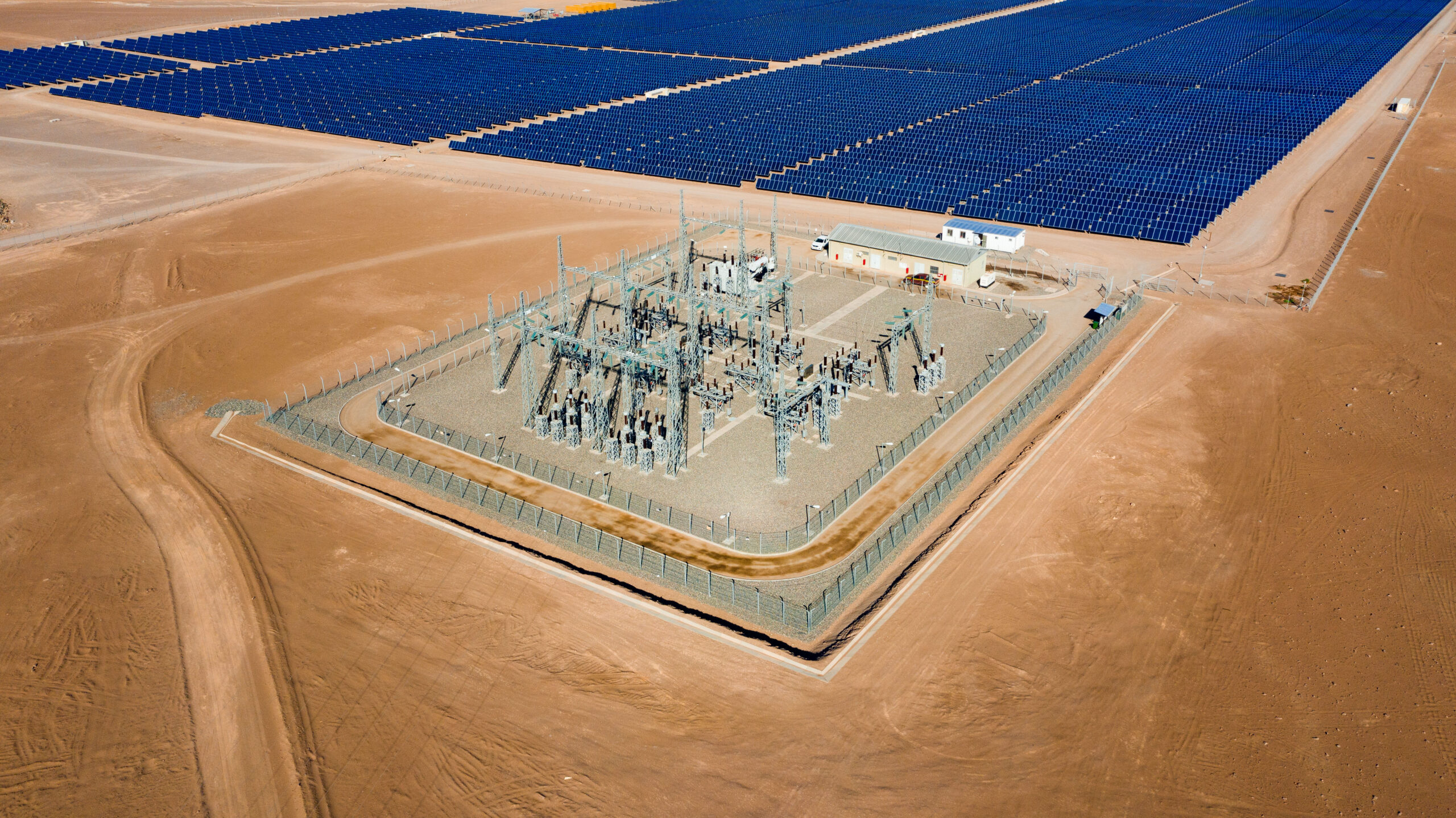
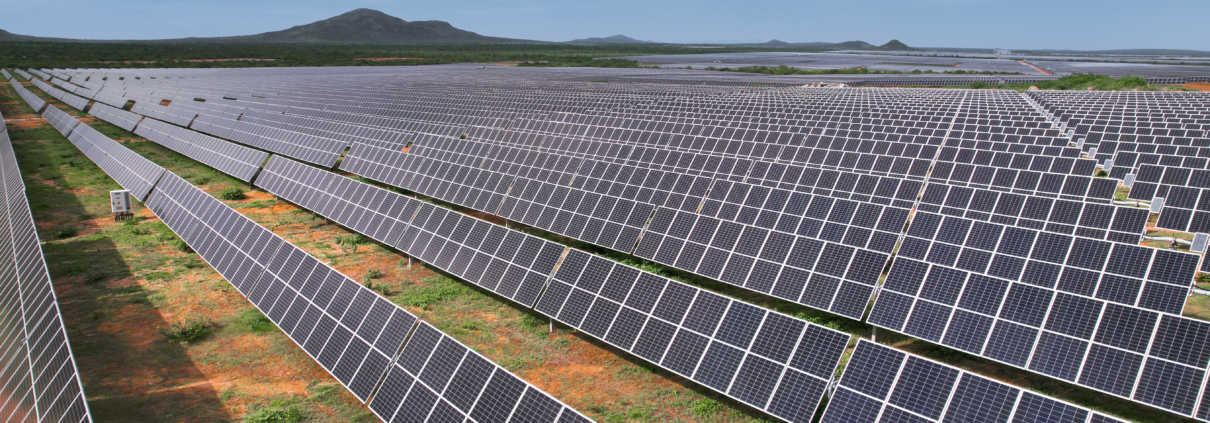
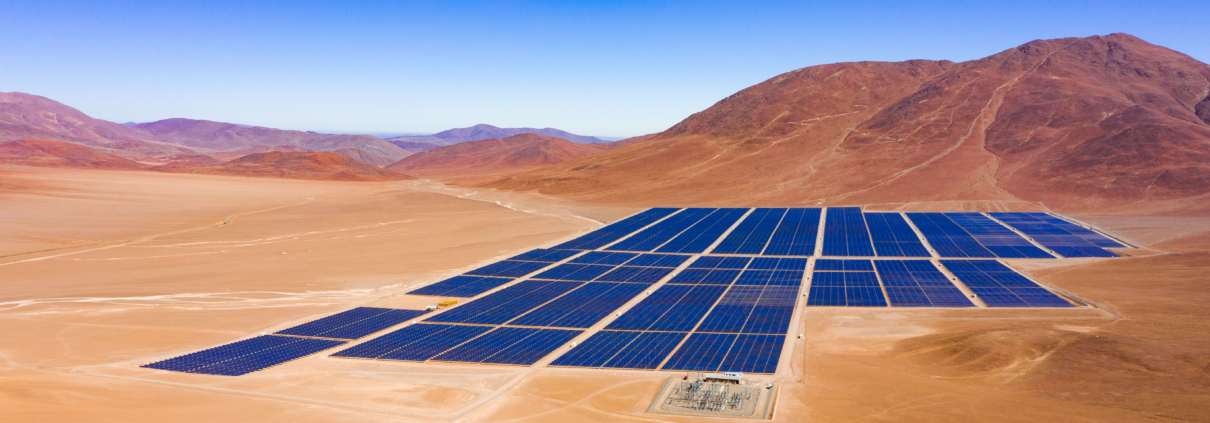
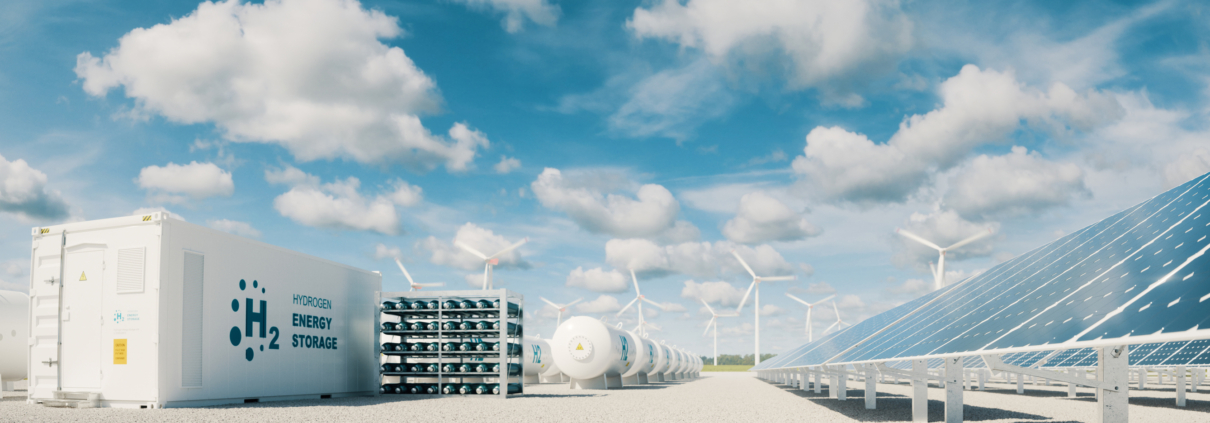
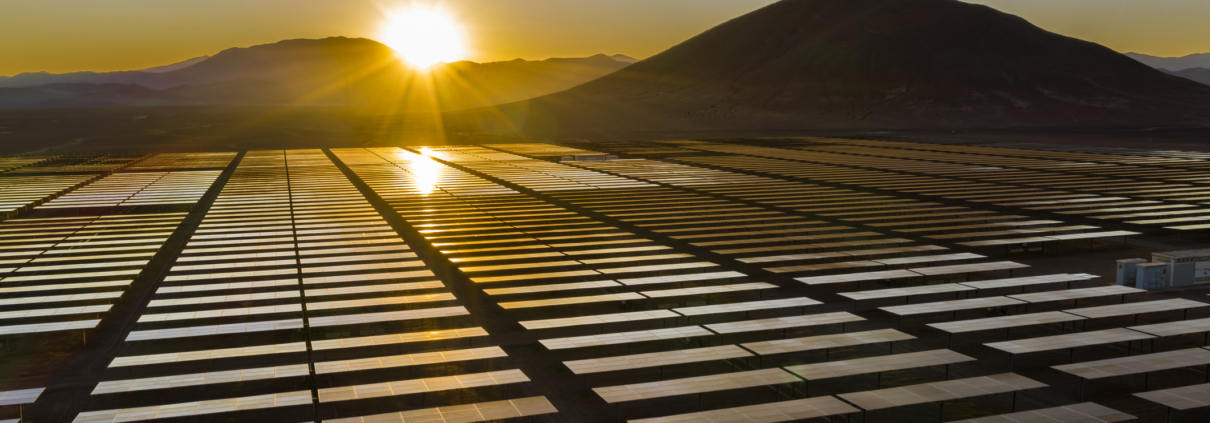
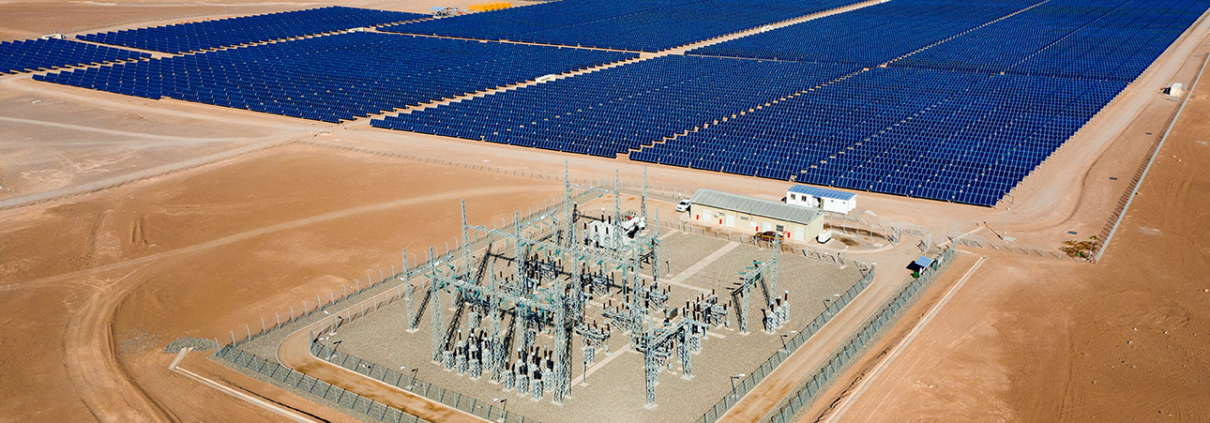
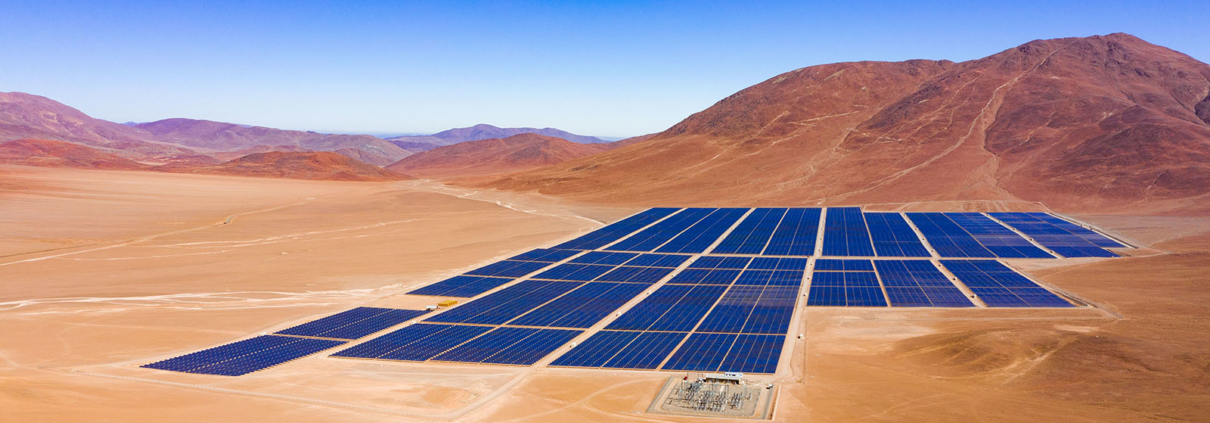
Within this context, the Atacama Region is emerging as a compelling alternative for energy-intensive operations, concentrating new renewable generation capacity and offering favorable conditions for scaling energy development. The region records some of the highest solar irradiation levels globally, supporting large-scale generation and enabling hybrid energy solutions that combine renewables with storage, reducing exposure to volatility and improving supply firmness for critical loads.
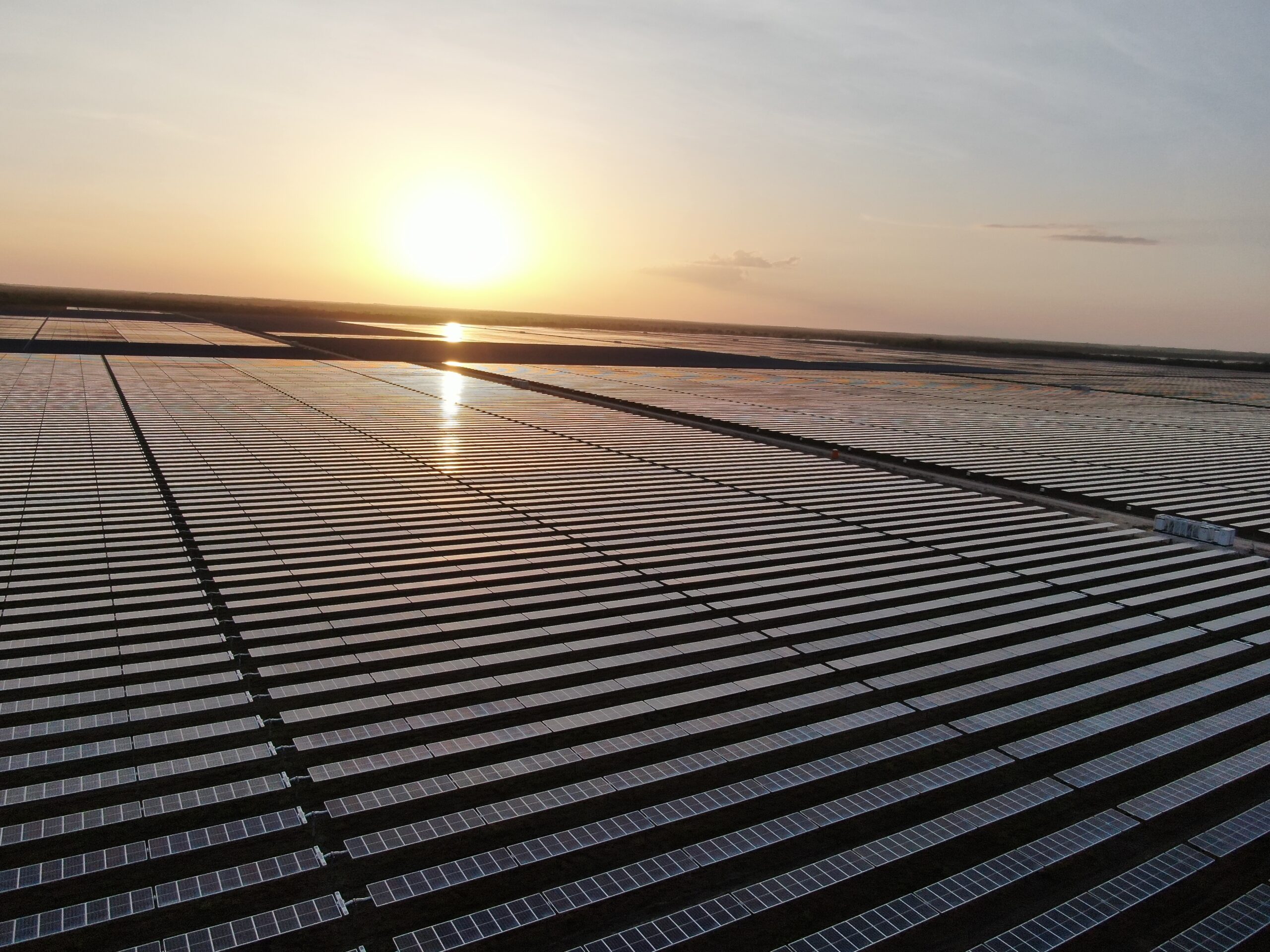
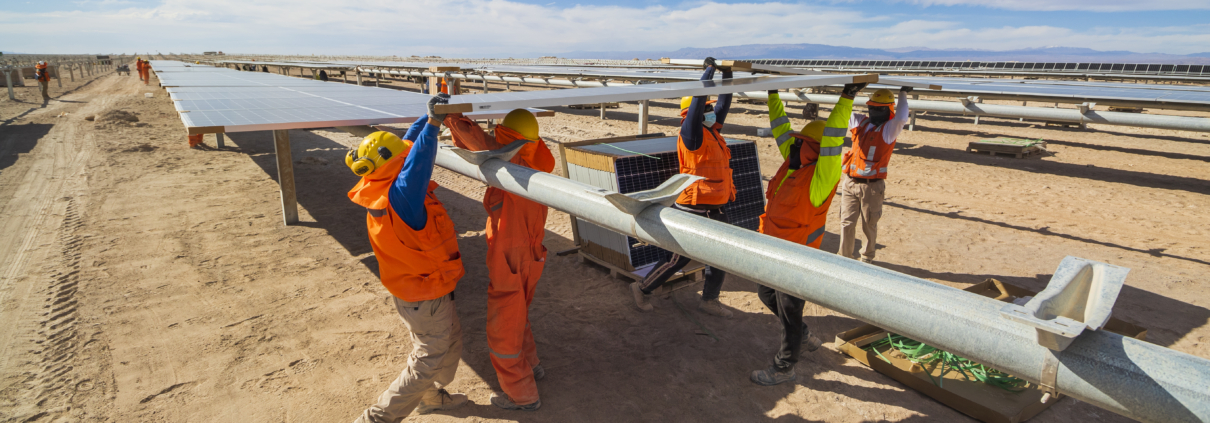
Scale is already tangible. Regional reports indicate that as of September 2024, Atacama had approximately 5,155 MWp of installed capacity, with a generation mix dominated by renewables, particularly solar.
For decision-makers, the message is clear: this represents not a bet on an emerging cluster, but an investment in an ecosystem with critical electrical mass and operational experience, capable of integrating storage and converting solar abundance into firm supply profiles.
Chile complements this energy foundation with significant digital assets. According to the Ministry of Science, Technology, Knowledge, and Innovation, the country maintains 62,000 kilometers of fiber-optic infrastructure, connections to a 69,000-kilometer submarine cable network, and more than 8 million devices connected to 5G networks. This combination has driven the rapid expansion of data center infrastructure, which grew from 35 MW in 2013 to 198 MW in 2023.
This growth is occurring in parallel with the country’s accelerated expansion of digital infrastructure. It brings tangible constraints for new projects to the forefront: access to water for cooling processes, interconnection timelines, and the availability of land proximity to electrical infrastructure. These factors are already incorporated into the public policy agenda. The National Data Center Plan (PDATA) establishes a roadmap to support sector growth while adhering to sustainability criteria, efficient use of energy and water resources, and territorial decentralization.
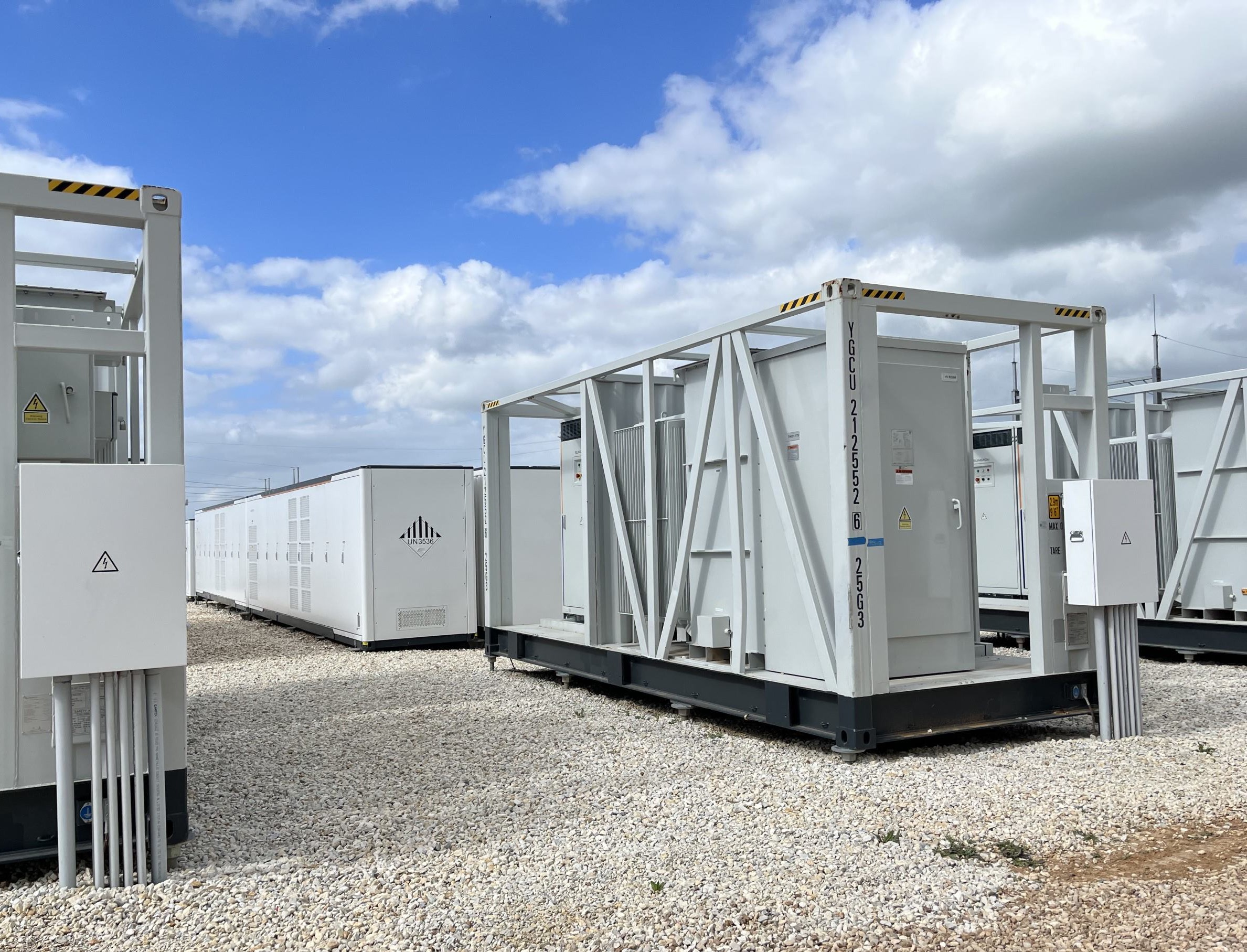
Taken together, Chile combines regulatory maturity with a robust renewable energy base, while the Atacama region offers a distinct solar advantage that necessitates precise decisions in energy design. In this environment, Atlas Renewable Energy’s experience integrating renewable generation with battery energy storage systems (BESS) enables the conversion of renewable abundance into firm supply, reduces interconnection risks, and strengthens operational continuity for data centers.
Brazil: Proven Scale, Connectivity, and Energy Diversity
For organizations seeking to deploy large-scale digital capacity supported by clean energy and robust connectivity, Brazil stands out as one of the most established markets in Latin America, offering an ecosystem of operators and infrastructure that has already demonstrated the ability to execute at scale.
Its diversified energy matrix—hydro, solar, and wind—provides resilience, while the presence of global operators and regulatory frameworks with embedded incentives reinforces its competitiveness.
In this context, São João da Barra and the Porto do Açu industrial complex represent platforms engineered for phased growth. The area combines available industrial land, access to the National Interconnected System, and favorable energy and water conditions. It is also advancing initiatives to develop hyperscale data centers under modular campus schemes, enhancing execution predictability.
According to a study by the consultancy JLL, the complex features 500 kV transmission infrastructure with a capacity of approximately 1 GW, which was in the commissioning phase at the time of analysis. This supports phased development of data center campuses, with greater predictability in interconnection and load growth, alongside renewable generation projects with multi-gigawatt potential to supply these facilities.
This thesis is validated by tangible market activity. Reuters has reported the expansion of global operators such as Equinix in Brazil, alongside the advancement of players including Ascenty, ODATA (Aligned), Elea, and Tecto—V.tal’s data center unit—reflecting a sustained growth cycle and the country’s capacity to support large-scale deployments.
While Brazil faces challenges—including regulatory complexity and the imperative for long-term planning in response to extreme climate events—the scale of its electrical system and its absorption capacity continue to position it as a compelling option for large facilities. Within this framework, the Special Tax Regime for Data Center Services (ReData), implemented in 2025, reduces investment frictions and aligns sector development with sustainability objectives by mandating the use of clean energy.
This context is further reinforced by the evolution of Brazil’s regulatory framework around energy storage, which is beginning to position battery energy storage systems (BESS) as a material component for managing flexibility, backup, and power quality for critical loads, strengthening the viability of large-scale digital operations.
Collectively, regions such as São João da Barra, anchored by the Porto do Açu complex, position Brazil as an environment where system scale, absorption capacity, and regulatory evolution help reduce time-to-power and sustain mission-critical operations with greater predictability—a decisive combination for hyperscale deployments and intensive workloads such as AI and HPC.
Mexico: A Strategic Hub with Proximity to the U.S. Market
Mexico occupies a strategic position for companies seeking to integrate their digital infrastructure with global supply chains while operating in proximity to the world’s largest consumer market. Its adjacency to the United States—where, according to the International Energy Agency (IEA), electricity demand associated with data centers is projected to more than double by 2030, driven by cloud expansion and artificial intelligence—positions the country as a natural anchor for regional low-latency strategies and phased expansion.
Within this context, Querétaro has consolidated its position as Mexico’s preeminent data center hub. Major cloud providers already operate infrastructure in the state.
Microsoft launched its first cloud region in the country; Google Cloud announced its Mexico region in the same territory; and AWS has committed substantial investments to expand local capacity. These developments are complemented by hyperscale projects such as CloudHQ’s, which announced a multi-billion-dollar campus with hundreds of megawatts of critical capacity.
The concentration of operators confirms the market’s depth and momentum. In Querétaro, companies including KIO Networks, Oracle, Equinix, ODATA, Ascenty, Digital Realty, Zenlayer, and CloudHQ operate, according to the cluster registry published by CANACINTRA San Juan del Río.
The simultaneous presence of hyperscale, colocation, and edge providers establishes the state as the leading interconnection point for digital infrastructure outside the Valley of Mexico.
Several technical factors explain this migration. The state combines high-capacity fiber connectivity, proximity to Mexico City and industrial corridors linking to the United States, availability of industrial land, and a geographically stable environment for critical infrastructure.
These factors reduce execution friction and enable phased deployments, a critical factor in large-scale projects.
The primary challenge lies in securing renewable energy through long-term contracts within a regulatory environment in transition. Additionally, water stress and environmental requirements are already integral to design analyses and permitting processes for new facilities.
As a result, site selection and energy partner selection are critical to sustaining operational viability, ensuring regulatory compliance, and maintaining long-term cost stability.
Despite these constraints, companies with an integrated regional strategy, Mexico—and Querétaro in particular—remain an essential component of the Latin American data center landscape: it combines demonstrated demand, proximity to the U.S. market, and an ecosystem already operating at scale.
Choosing the Right Location Means Aligning Energy and Strategy
When assessing where optimal conditions currently exist for building data centers in Latin America, the conclusion is unambiguous: Mexico, Chile, and Brazil offer the most favorable environments for large-scale deployment.
Their combination of energy capacity, connectivity, regulatory maturity, and digital ecosystems positions them among the markets with the greatest operational viability and sustained growth potential.
However, outcomes depend not only on geography. What ultimately determines success is how effectively local conditions align with each company’s energy and digital strategy, taking into account projected growth, reliability requirements, sustainability mandates, and risk profile. In this context, the energy partner becomes an operational variable rather than merely a contractual consideration.
For companies, partnering with an entity capable of navigating regulatory frameworks, permitting processes, interconnection requirements, and relationships with authorities and local communities reduces execution friction, accelerates timelines, and mitigates risk in long-term projects.
Structuring contracts and projects that attract bankable financing, combined with demonstrated experience in executing large-scale infrastructure projects, directly impacts costs, schedules, and operational continuity.
Within this framework, Atlas Renewable Energy operates as a strategic enabler for operations with critical energy demands, combining utility-scale renewable generation, storage, and long-term contracts across markets with diverse regulatory frameworks.
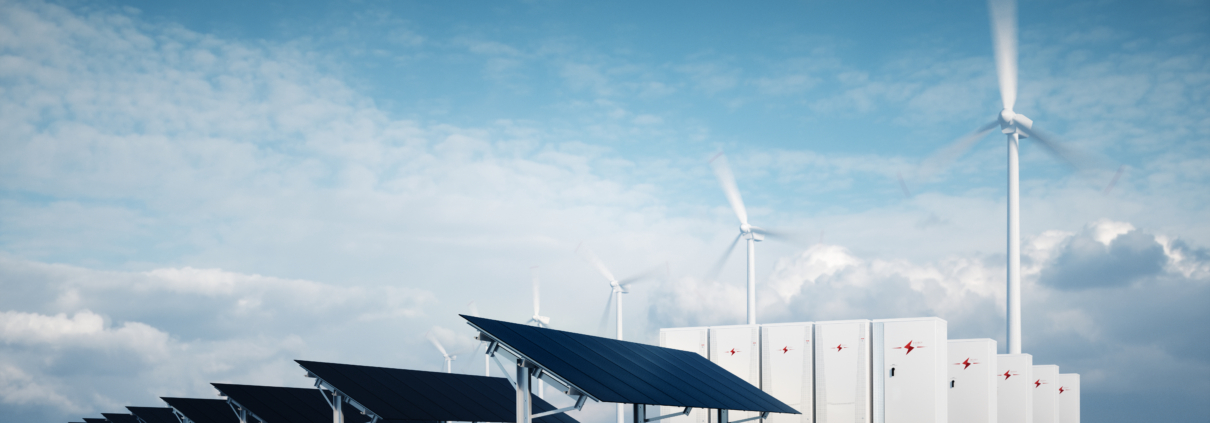
In Chile, this capability is exemplified by the development of large-scale storage systems such as BESS del Desierto, a stand-alone project exceeding 200 MW/800 MWh of capacity, engineered to convert solar abundance into firm, dispatchable supply, mitigating the risks of congestion, curtailment, and hourly variability.
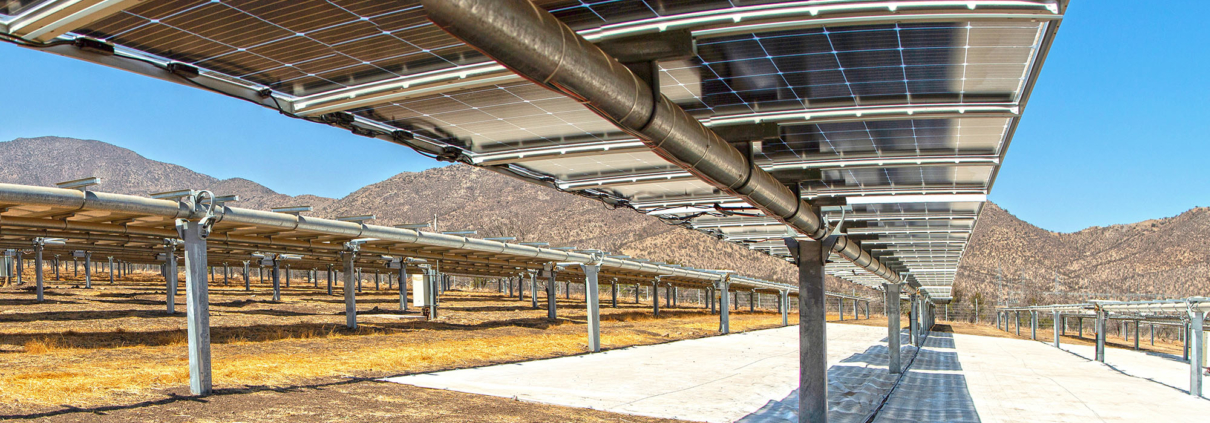
This is complemented by hybrid projects such as Estepa and Copiapó, which integrate renewable generation and storage to enhance operational continuity in high-energy-demand environments.
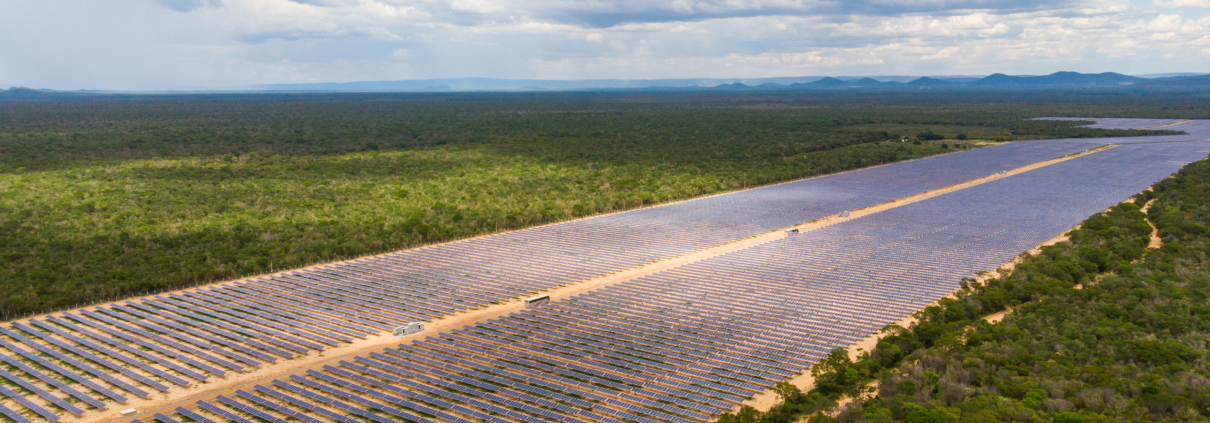
In Brazil, Atlas has developed and executed large-scale renewable projects under long-term contracts for industrial clients, such as the Boa Sorte Solar Complex (Minas Gerais), with installed capacity exceeding 438 MWp. These projects are structured under bankable PPA schemes and connected to the National Interconnected System. This experience in interconnection, execution, and contractual structuring provides a solid foundation for advancing toward energy solutions capable of supporting intensive digital loads, particularly in emerging hubs such as Porto do Açu.
For clients, value derives not from technology alone, but from partnering with an organization capable of delivering projects—from planning and permitting through to stable long-term operations.
As Latin America attracts new digital investments, one premise becomes operationally clear: energy for data centers is not a neutral input. It defines costs, shapes scalability, and determines business resilience.
Making the right choices today in terms of location, energy design, and partner selection is fundamental to securing efficiency, continuity, and long-term competitive advantage.
This article was created in partnership with Castleberry Media. At Castleberry Media, we are dedicated to environmental sustainability. By purchasing carbon certificates for tree planting, we actively combat deforestation and offset our CO₂ emissions threefold.
Share This Entry