
Powering Latin America’s data center boom responsibly

Latin America’s digital expansion offers a rare opportunity for data center operators to design energy systems that set a global benchmark from the outset.
Latin America is seeing a surge of investment in digital infrastructure, driven by the region’s strategic proximity to the US, rapid enterprise cloud adoption, and emerging data-sovereignty frameworks.
As new projects move from planning to construction, power is becoming the central constraint and differentiator. The availability, reliability, and cost of electricity now influence almost every design decision, and energy sourcing has moved from a procurement exercise to a strategic question that shapes where and how facilities are built.
Forecasts highlight the scale of what is coming. Chile expects data center electricity demand to reach 1,360 MW by 2032, up from 325 MW this year, while Brazil projects a whopping 15-fold increase from about 826 MW today to more than 13 GW by 2035.
What distinguishes this wave of growth is that it begins on open ground. While operators in North America and Europe retrofit next-generation systems into legacy sites, in Latin America, they get to start with a clean slate, applying lessons learned elsewhere to deliver competitive advantage from day one.
But this growth is not driven by demand alone. In Latin America, the real differentiation is being shaped by how energy, location, contracts, and infrastructure are planned from the outset. Understanding why some markets are advancing faster than others —and how clean energy, storage, and contractual design are redefining data center development— is essential to identifying who will lead the next phase of digital growth in the region.
Understanding divergent markets
Latin America’s data center expansion is regional in scale but national in execution. Each market combines different infrastructure strengths and regulatory realities, which shape not only where new capacity can be built but also how reliably it can be powered.
Brazil is positioning itself as the region’s data center hub, backed by the launch of the new Redata tax regime offering exemptions on IT-related imports and capital expenditure.
However, the country’s energy system remains the critical bottleneck. Grid integration is under pressure: Brazil’s system operator has received requests for many gigawatts of new high-load connections, far outpacing transmission reinforcement.
Progress depends on experienced developers with the regional insight to navigate transmission congestion, permitting complexity and Brazil’s multi-layered regulatory landscape – capabilities that we at Atlas Renewable Energy have already applied in large-scale projects across the country.
Chile presents a contrasting environment. Its liberalized electricity market, together with a stable and predictable regulatory framework, established Santiago as a natural destination for international cloud service operators. That same success, however, has led to a level of saturation that is now creating new bottlenecks.
The primary constraints are no longer related to market access, but to physical and operational factors: the scarcity of available land near the capital, stringent regulations on water use for cooling, and lengthy waiting lists for new grid connections. In response, operators are shifting their focus toward transmission corridors that offer high-voltage access and proximity to renewable projects in the north of the country.
The Energy Transition Law reinforces this shift by prioritizing grid expansion and the integration of storage, enabling low-carbon energy to flow more reliably to the main demand centers in the central region.
In this context, the lesson is clear: energy strategy must be integrated into site planning from the outset. Location, permitting, grid access, and operational resilience are no longer independent variables, but parts of the same design equation.
The clean energy imperative
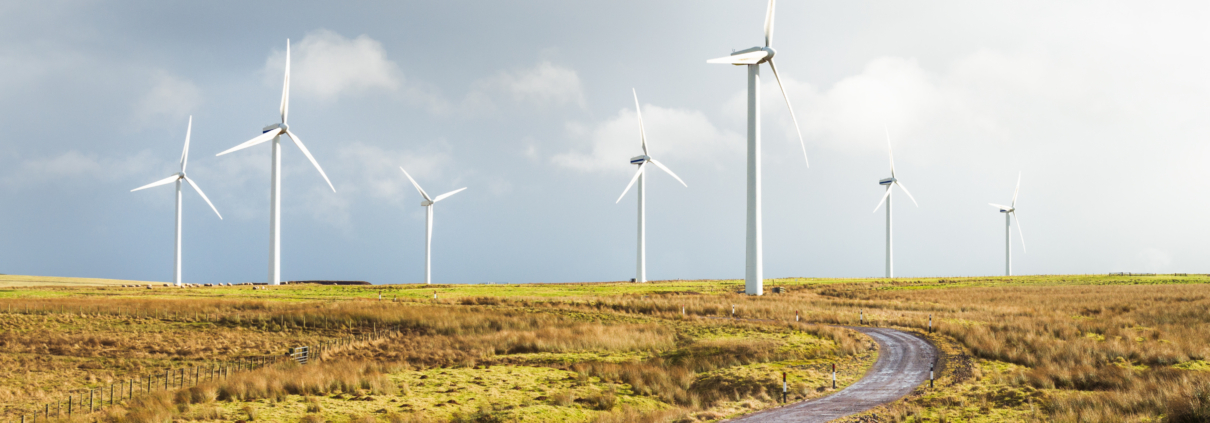
Around the world, data centers are expanding faster than grids can decarbonize. Even in mature markets such as the United States, where operators have signed large renewable-energy contracts, most facilities still draw a substantial share of their electricity from fossil-fuel generation.
The obstacle is intermittency: solar and wind power fluctuate, while the always-on nature of digital services leaves little room for variability. Any interruption or loss of power can result in significant consequences, including data loss, service disruptions, financial losses, and damage to reputation.
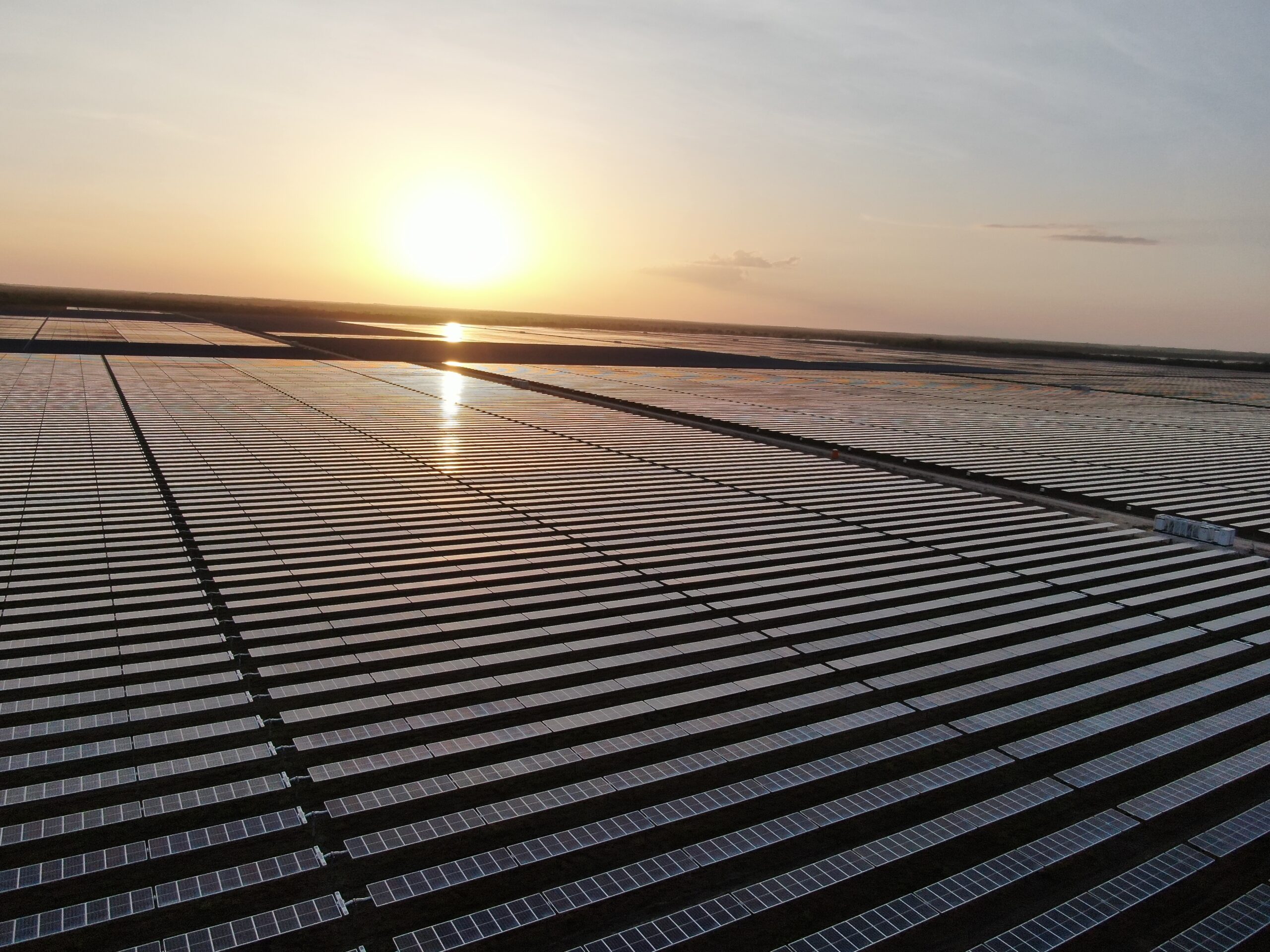
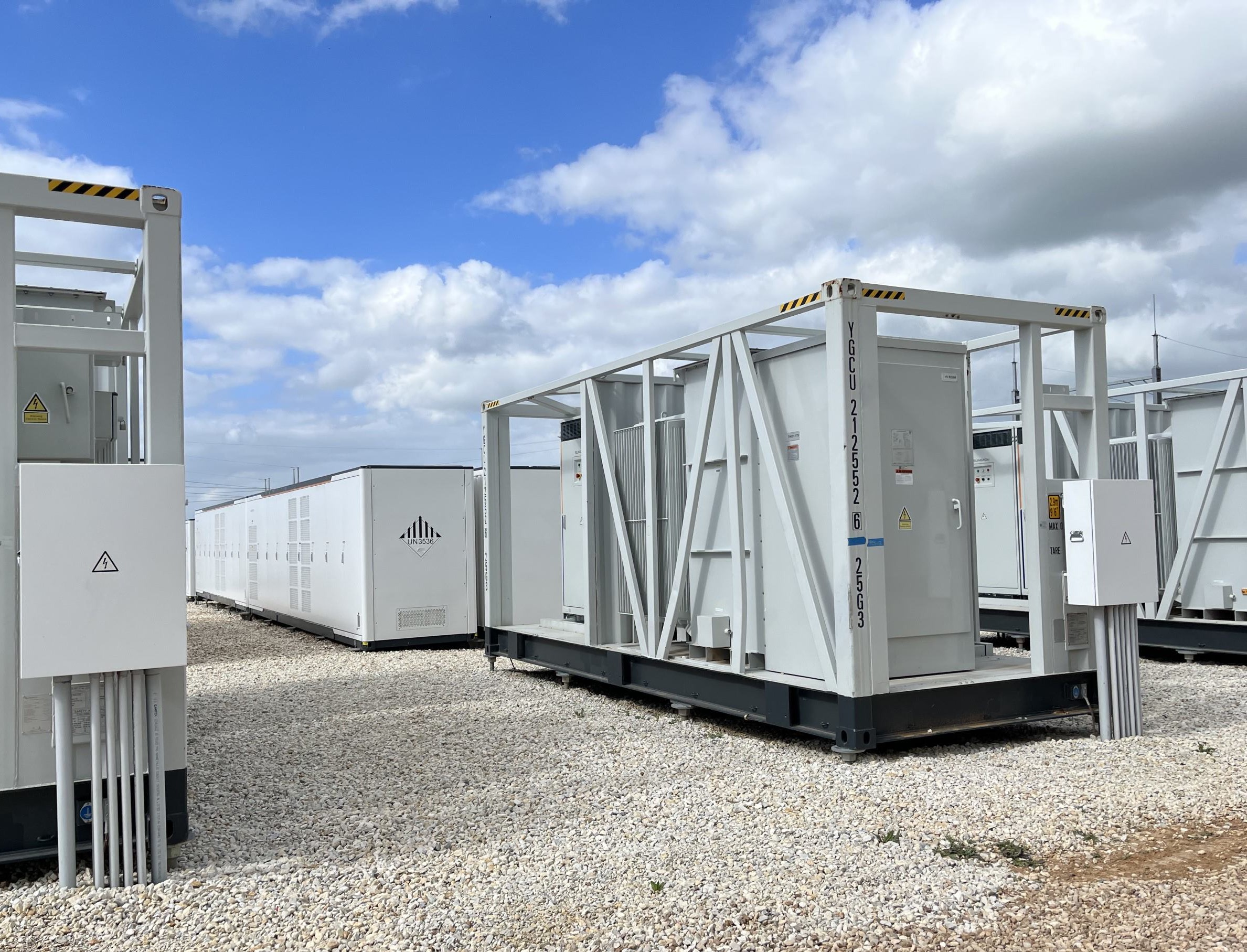
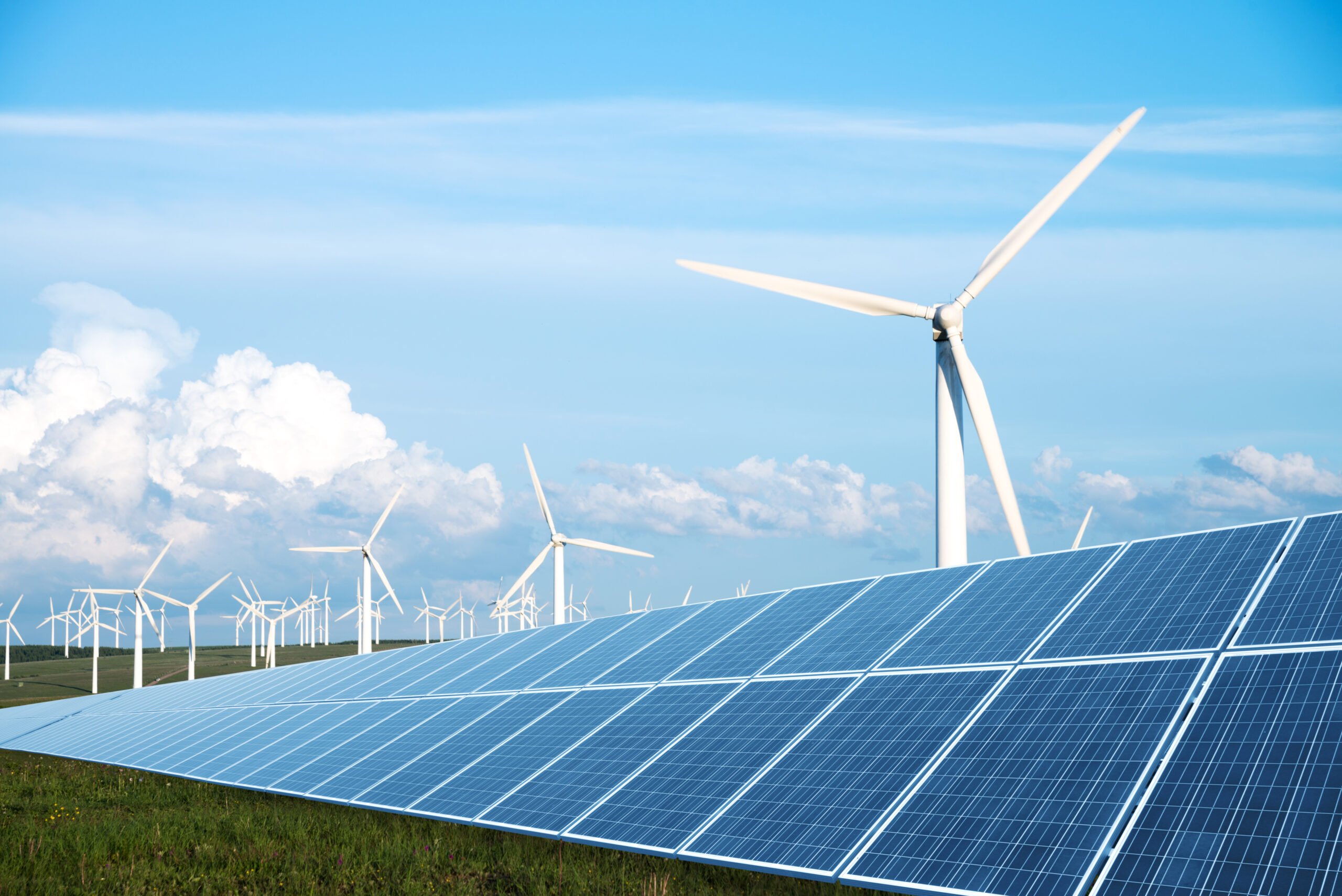
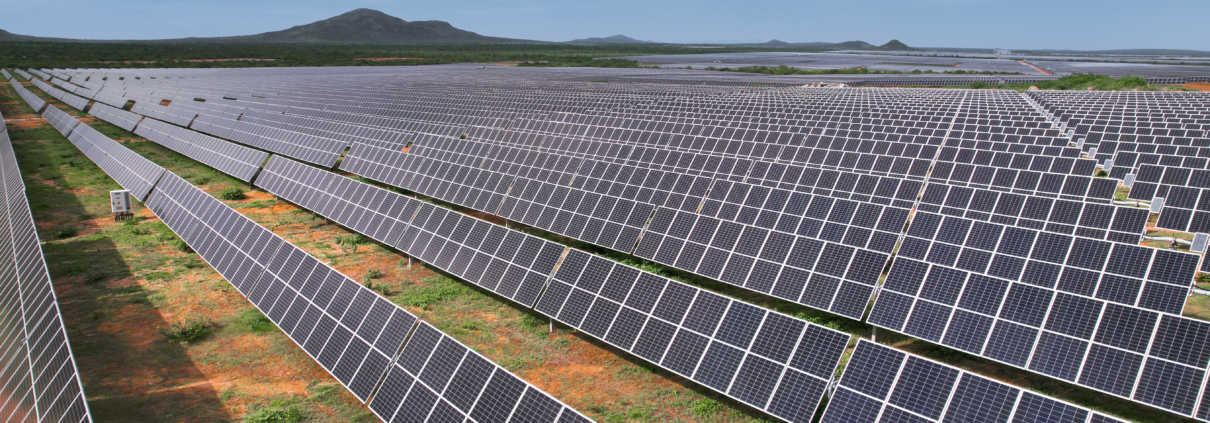
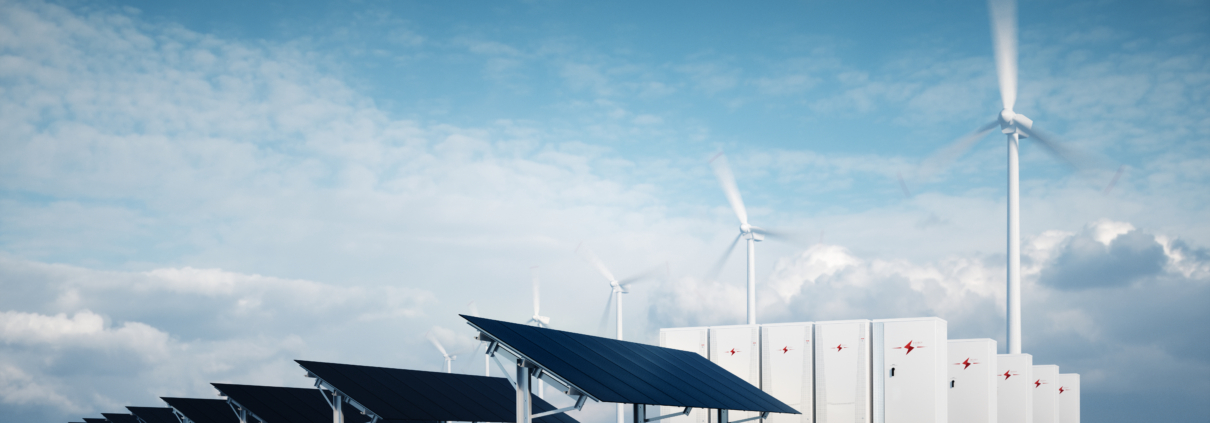
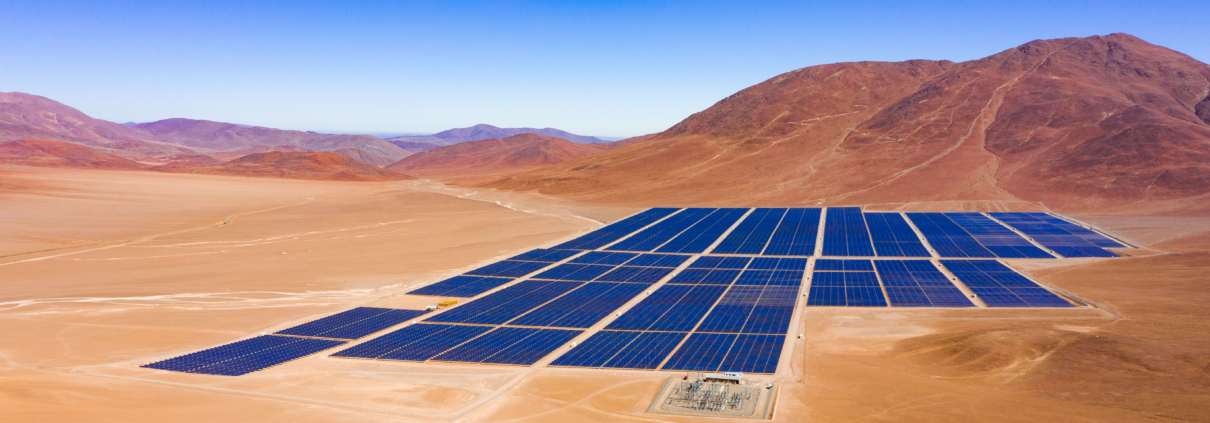
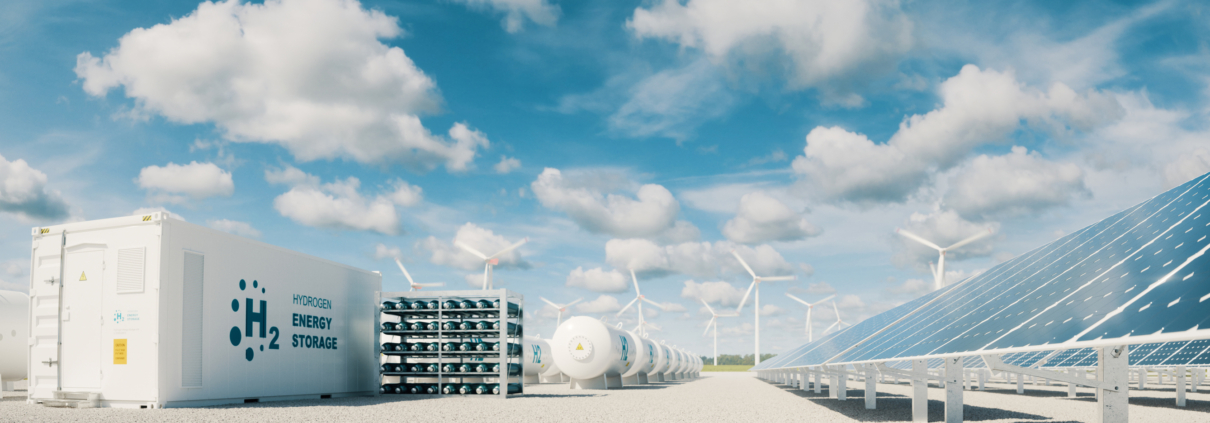
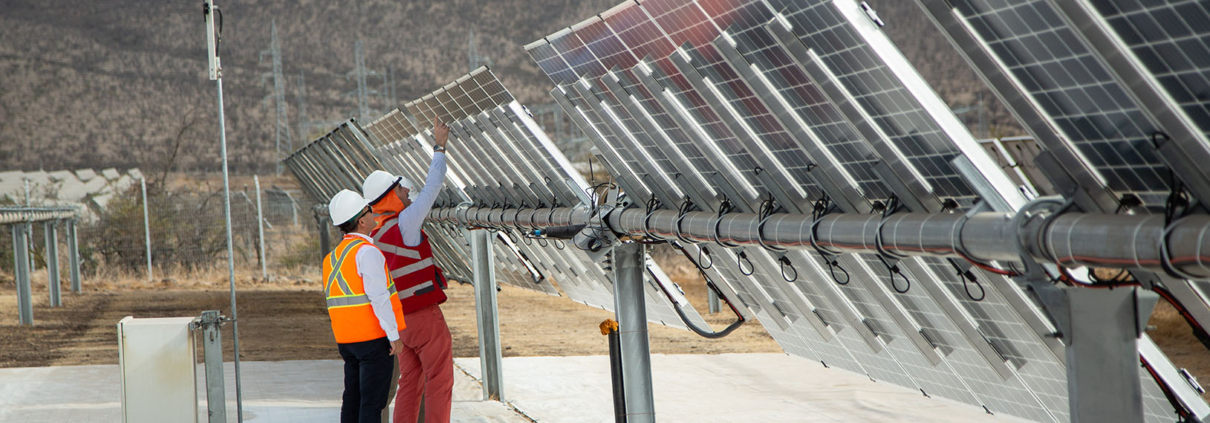
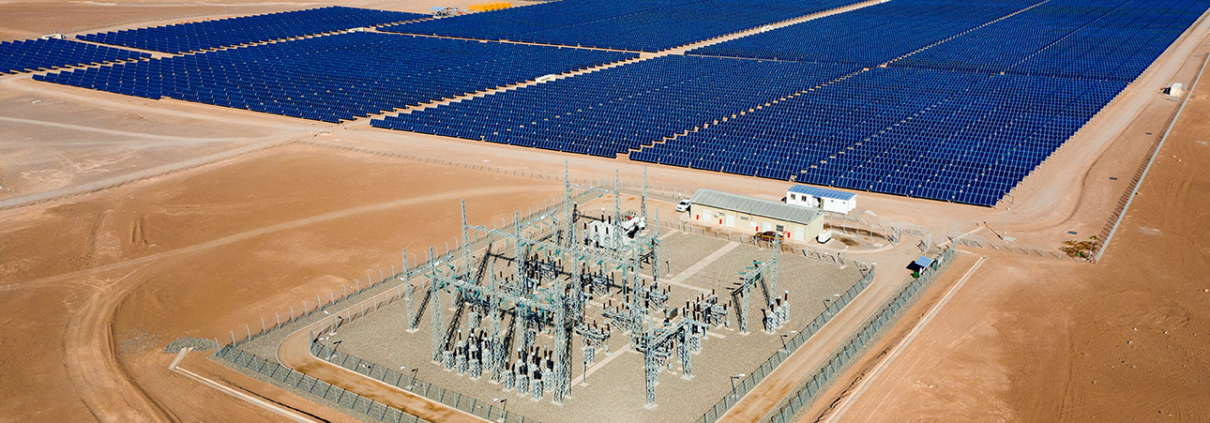
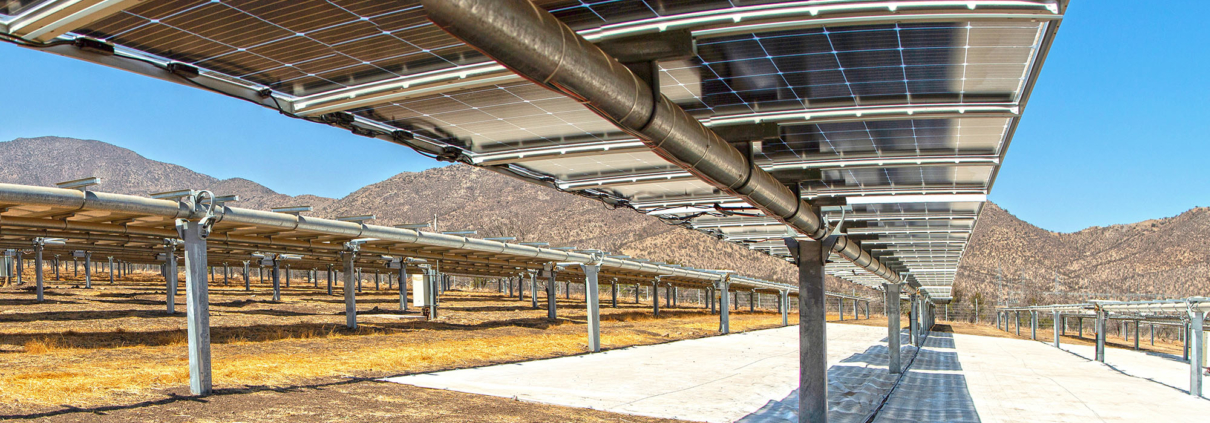
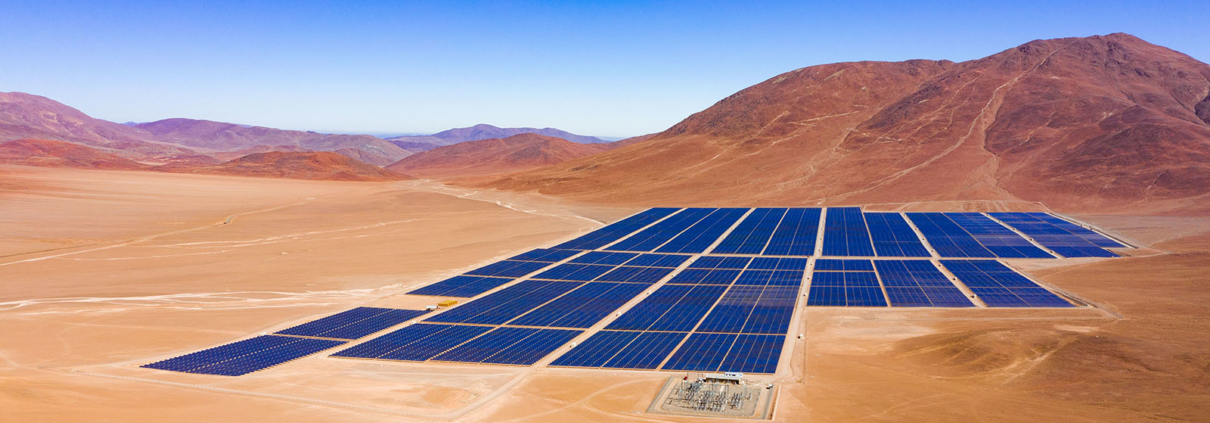
Battery energy storage systems (BESS) are the answer here, and Latin America is starting from a strong position. Our BESS del Desierto project – the largest standalone battery system in the region – enables excess solar energy generated during the day to be stored and rdispatch during periods of maximum demand, enhancing grid stability, effectively eliminating intermittency as a risk variable, and reducing energy losses from curtailment.
Latin America’s data center expansion is still at a stage where on-site generation and storage can be integrated from the start, rather than added later. — as we are already doing with projects currently under construction such as Estepa Solar and Copiapó.This creates an opportunity to secure a continuous clean power supply, through these hybrid solutions that position storage technologies as a complement to generation, something still uncommon in more mature markets. which still lack these types of solutions
Structuring PPAs for resilience
Securing this continuous renewable power is as much a contractual task as a technical one. The structure of a power purchase agreement decides whether an operator’s energy plan works in practice – whether clean electricity arrives when needed, at a stable price, and in a form that satisfies client and regulatory expectations.
In Latin America, contract design has become a point of competitive strength. The most effective power purchase agreements (PPAs) now build in storage, shape delivery around the real load profile of a data center, and tie pricing to long-term operating needs instead of short-term market movements.
At Atlas Renewable Energy, we have developed these models in both Brazil and Chile. These details turn renewable ambition into guaranteed performance on paper – the kind of assurance data centers’ enterprise clients expect to see written into the deal.
In Chile, we have structured PPAs that combine solar generation with storage, such as the 15-year, 24/7 agreement for 375 GWh per year signed with Codelco, designed to supply operations in the mining industry. While this contract is not tied to the data center sector, it sets an important precedent regarding the commercial viability of continuous renewable supply schemes in the country.
In parallel, we have signed agreements with ODATA — a company of Aligned Data Centers — to supply its operations in the Santiago area with 100% renewable energy, certifiable through I-REC and sourced from diversified generation assets. Taken together, these experiences demonstrate that it is possible to design energy solutions tailored to both industrial loads and critical digital infrastructure, integrating renewables, flexibility, and long-term contractual structures in the region.
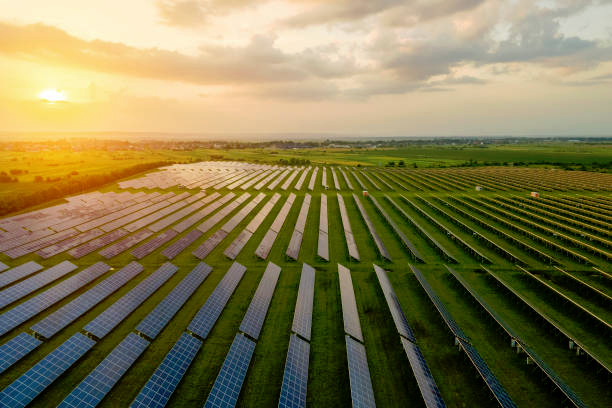
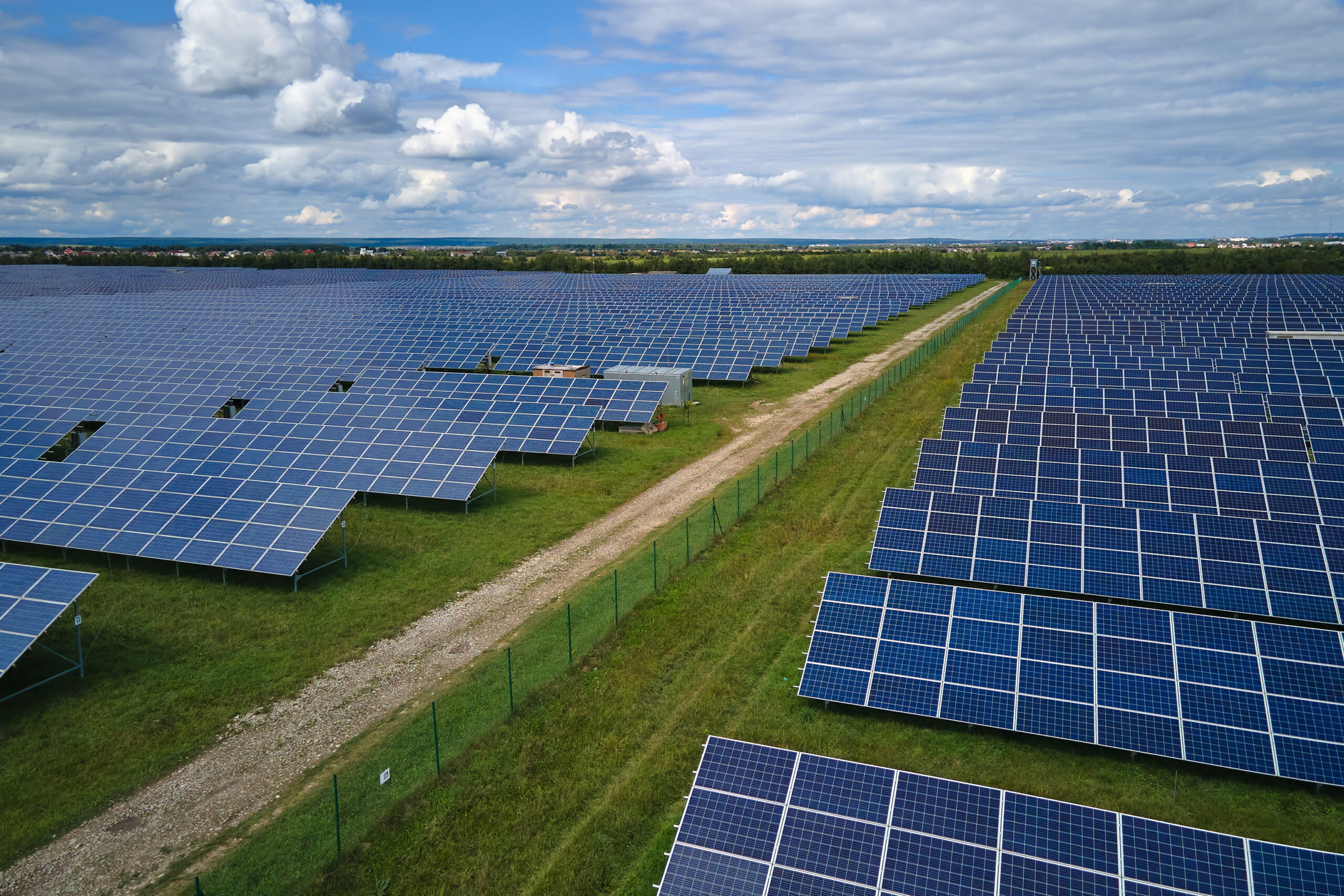
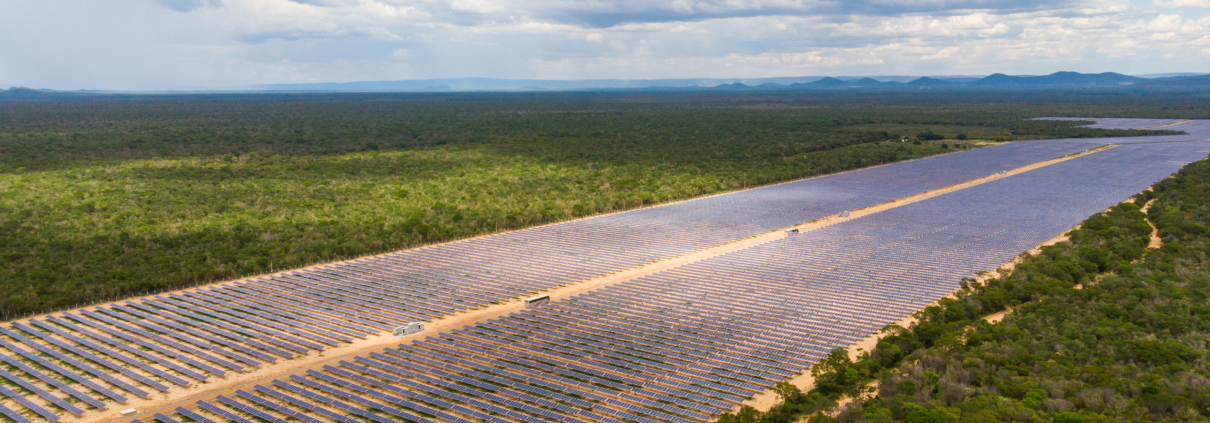
In Brazil, our Draco portfolio of eleven solar plants, financed by BNDES, was planned with digital infrastructure in mind, combining generation with transmission access into the country’s National Interconnected System (SIN). Over half of the facility’s 1,150 GWh capacity will power Sao Paulo-based telecom and data storage provider V.tal’s current and future data center parks.
Brazil’s open market also allows a self-production structure, where the offtaker takes an equity stake in the generating asset. At Atlas, we use this model to enable clients to reduce electricity costs – some by as much as 40% – while locking in predictable pricing over the life of the facility.
Meanwhile, long-term agreements, such as our 20-year deal with aluminum producer Albras, spread capital costs over a larger energy base, and can provide hyperscale and colocation operators with a model for stable operating expenditure. Another advantage is the ability to scale supply with demand. Large campuses typically come online in stages, and our portfolio design lets operators increase contracted volumes as their IT load grows.
Designing for efficiency
Once renewable power is stable and available when needed, operators can turn their attention to what happens inside the facility.
In Latin America, design choices are shaped by local realities. Water scarcity in central Chile and parts of Brazil is pushing operators toward closed-loop and hybrid cooling systems that draw less from municipal networks.
Congested transmission lines near large cities limit redundancy, so on-site flexibility – battery storage, controllable loads, and micro-grids – is becoming standard practice rather than a novelty.
Efficiency and emissions rules add further reasons to monitor performance constantly and make small adjustments that add up over time.
The tools to do this are already in use. Modern data center infrastructure management platforms and dense sensor networks allow operators to see, in real time, how temperature, power, and load behave across the site.
Automated controls react faster than people can, spotting issues before they affect uptime. Non-critical computing, such as AI training, can be scheduled for times when renewable output is highest, cutting both cost and carbon.
The results are tangible. New facilities in the region are already achieving power usage effectiveness below 1.3, compared with a global average of about 1.5. Over the life of a data center, that difference translates into significantly lower running costs and a much cleaner energy footprint.
Powering Latin America’s digital future
The operators that will succeed in Latin America’s next wave of digital growth are those treating energy as strategic infrastructure. Power is no longer a utility to be procured but a core design variable that shapes performance, cost, and reputation over the life of a facility.
Getting it right from the outset means building data centers that operate more efficiently, cost less to run and meet the sustainability standards corporate clients now expect – because those outcomes were designed in from the beginning.
Achieving this requires long-term partnerships with developers who bring integrated capabilities: regional generation portfolios that can deliver clean energy where it’s needed, storage solutions designed for data center load profiles, and contractual structures that protect operators rather than shift risk.
Data center operators that build this alignment into their strategy can position themselves ahead of peers – even before the first rack is installed.
At Atlas Renewable Energy, we have a WhatsApp channel ready to assist you. Through it, you can get quick answers to your questions. Contact us and discover how easy it is to connect with us!
This article was created in partnership with Castleberry Media. At Castleberry Media, we are dedicated to environmental sustainability. By purchasing carbon certificates for tree planting, we actively combat deforestation and offset our CO₂ emissions threefold.
Share This Entry