
The Ecosystem Enabling a Successful Energy Transition in Latin America

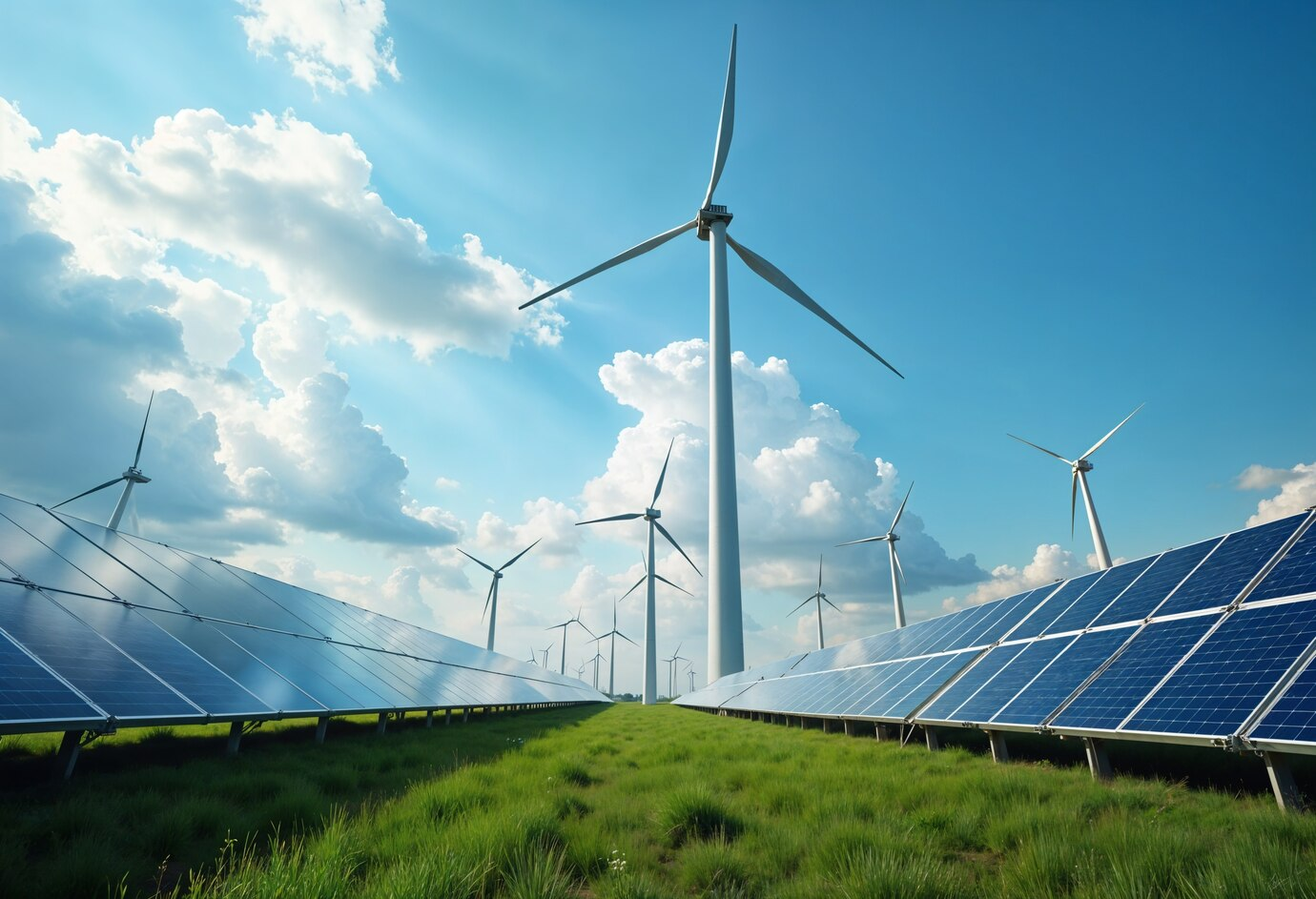
Latin America currently generates approximately 70% of its electricity from renewable sources. However, to sustain—and exceed—that threshold by 2030, the region requires infrastructure capable of integrating clean energy, modernized transmission networks, and storage solutions in a coordinated manner.
Latin America’s energy transition is advancing at a measured yet increasingly significant pace.
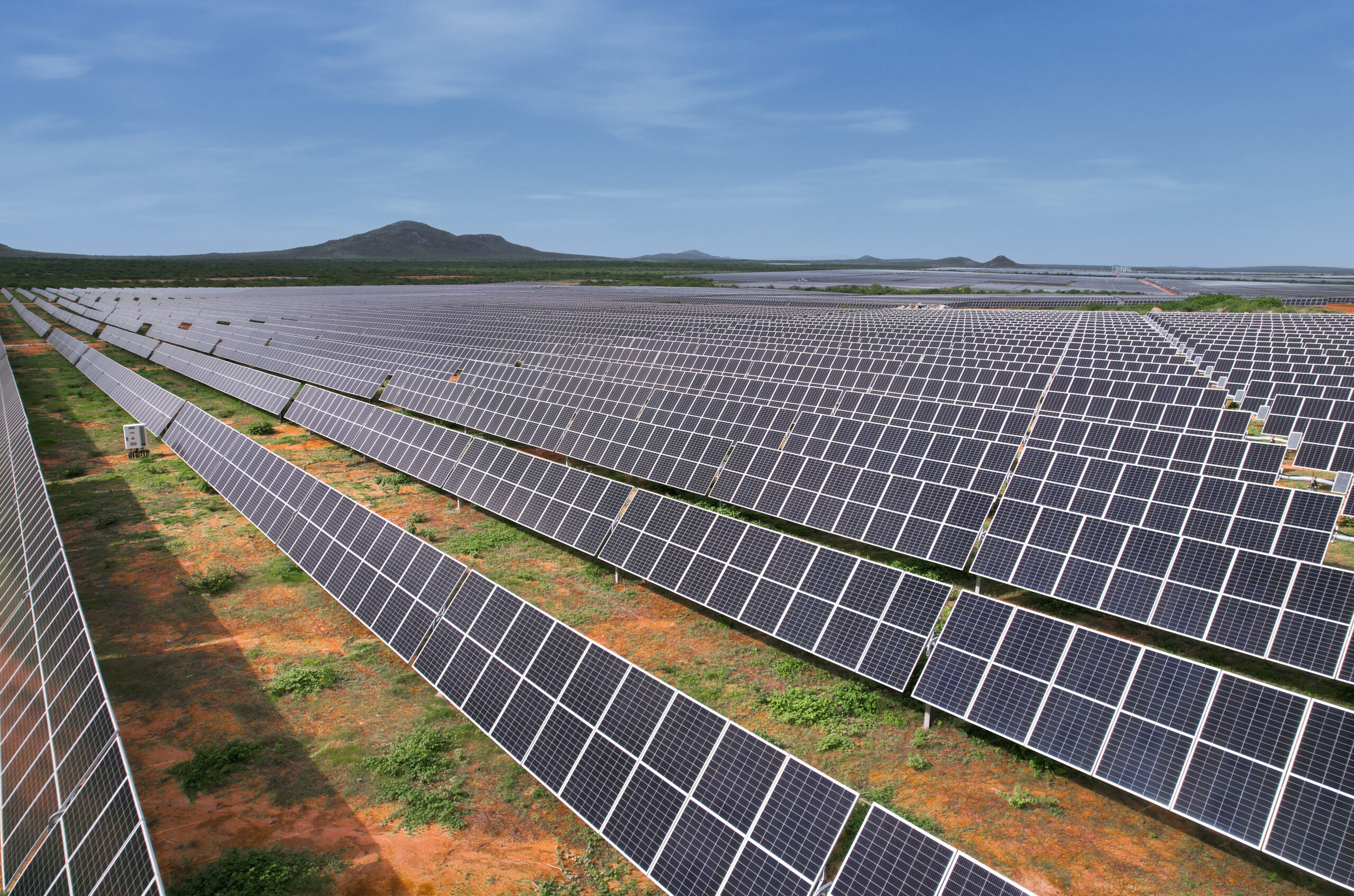
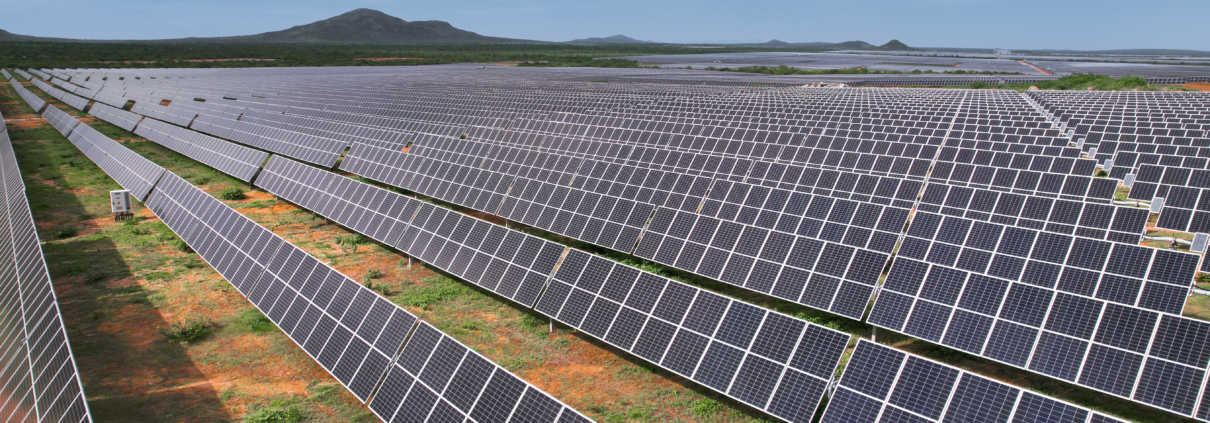
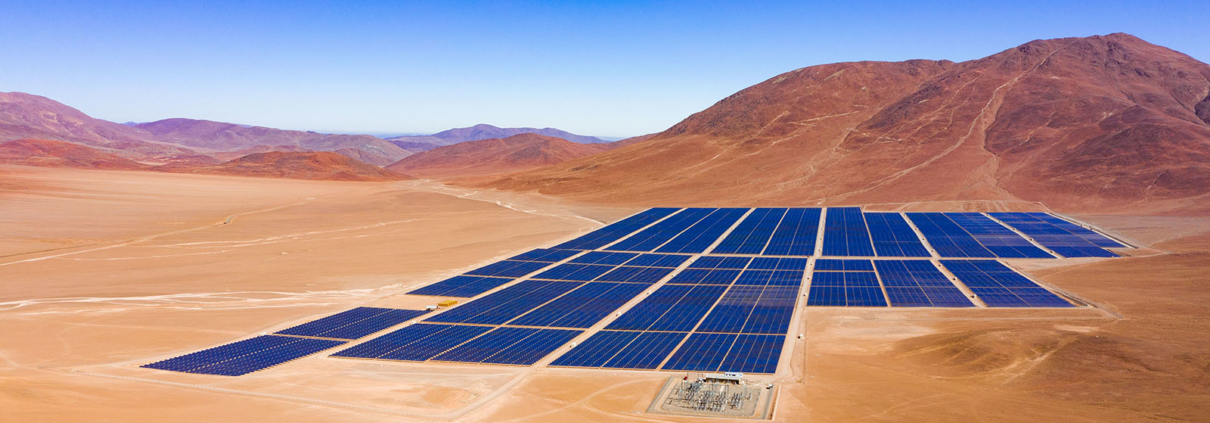
The data substantiate this trajectory: in 2024, the region commissioned more than 23 GW of new renewable capacity, with solar photovoltaic projects accounting for over 80% of that total, according to the International Renewable Energy Agency (IRENA). This represents one of the most substantial annual capacity additions on record for the region and positions Latin America as a pivotal actor in the global solar expansion.
The transformation is underway, but sustained success will require more than merely adding renewable megawatts. The imperative now is to develop the infrastructure necessary to sustain and fully leverage this emerging wave of clean energy.
According to analyses from IRENA and the Inter-American Development Bank (IDB), fully realizing the potential of renewable generation demands strategic investment in transmission infrastructure, energy storage systems, and grid operational modernization. Absent these investments, renewable integration could encounter significant bottlenecks that constrain effective capacity utilization and impede the broader energy transition.
To address these constraints and optimize clean energy deployment, global investment in energy infrastructure is projected to rise substantially—from USD 1.77 trillion in 2023 to an annual average of USD 4.8 trillion between 2024 and 2030—according to the International Energy Agency (IEA) and BloombergNEF.
In pragmatic terms, this necessitates resilient, intelligent transmission networks, utility-scale storage systems, and innovative solutions that ensure supply stability and enable sustained diversification of the energy portfolio on a robust foundation.
Each component is indispensable; collectively, they constitute the backbone of a successful energy transition, ensuring that renewable capacity expansion translates into clean, reliable, and economically viable energy for the region.
Infrastructure: The Components that Enable the Energy Transition
The energy transition depends on six critical elements functioning in concert: modernized transmission grids, reliable storage systems, advanced digital management capabilities, transparent regulatory frameworks with clear, long-term investment signals, resilient supply chains, and a highly skilled workforce.
Each component fulfills an essential function. The grid transmits, storage stabilizes, digital management optimizes, regulation enables, the supply chain connects, and talent executes.
Examining how they operate—and why they matter—clarifies what constitutes a genuine, sustainable energy transition in Latin America.
Grid Capacity
– Why Expanding Grid Capacity Is Critical to Scaling Renewables?
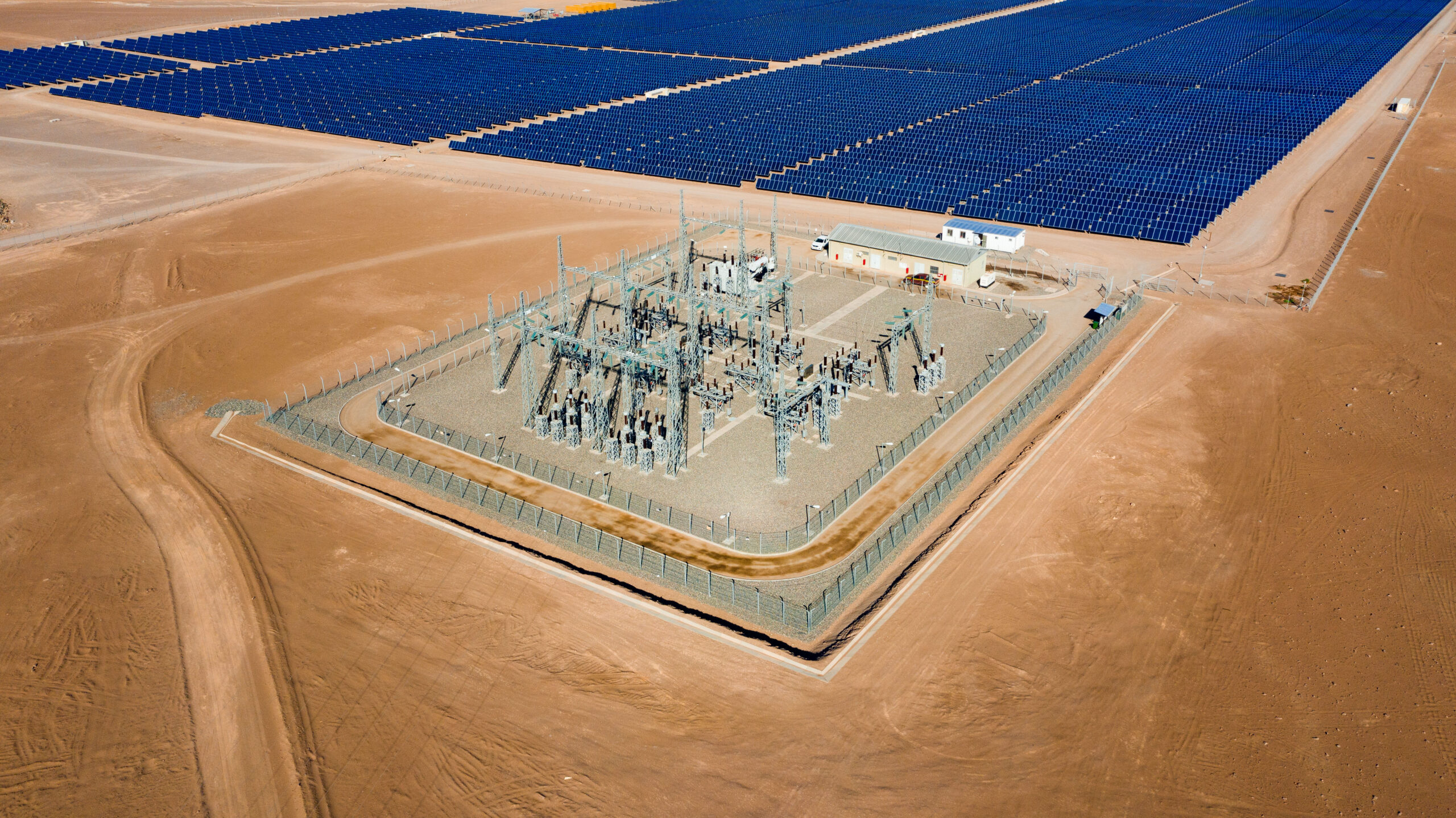
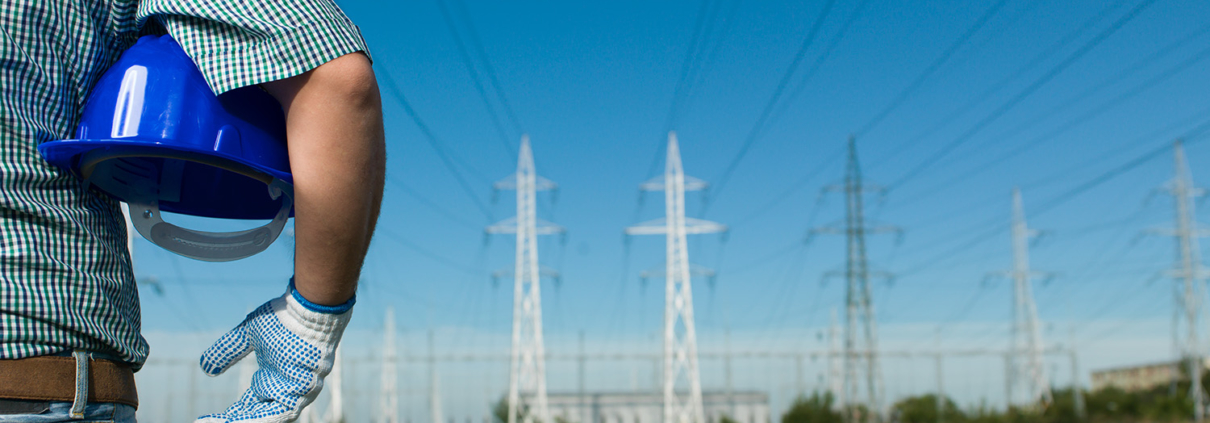
The transmission network is the circulatory backbone of any energy transition. As renewable energy projects expand in both scale and number, infrastructure capable of delivering that electricity to end users becomes a strategic imperative. If grid capacity fails to keep pace with generation growth, the impact of renewable investment becomes constrained.
In countries such as Brazil, the accelerated expansion of solar and wind generation has created distinct challenges: in certain areas, existing transmission lines are operating at or near capacity limits. This condition complicates the interconnection of new projects, extends development timelines, and reduces overall system efficiency.
Colombia and Chile have also significantly increased grid expenditures in recent years, recognizing that expanding and modernizing this infrastructure constitutes a fundamental prerequisite for sustaining the pace of renewable adoption.
In 2024, for instance, global investment in transmission networks reached a projected USD 400 billion, according to the International Energy Agency. In Latin America, this momentum is already evident. Since 2021, regional investment has nearly doubled, with notable advances in transmission and distribution across key clean-energy markets.
Additionally, behind-the-meter solutions—such as corporations or industrial users deploying on-site generation and storage—are gaining traction as alternatives or complements. These approaches can alleviate pressure on the grid, accelerate renewable adoption, and provide greater energy autonomy for strategic productive sectors.
– How Prepared Is Latin America in Grid Technology for a Modern Energy Transition?
Modernizing the transmission network extends beyond merely expanding infrastructure; it requires making the grid intelligent. Smart grids, enabled by Internet of Things (IoT) technologies, can more effectively integrate intermittent sources such as solar and wind, balance supply and demand in real time, and respond rapidly to unforeseen events.
These systems leverage automation, sensors, energy-management software, and data analytics to monitor and operate the electricity system with greater precision. The outcome: enhanced efficiency, reduced vulnerability, and superior control.
In Latin America, substantial room for improvement remains. According to OLADE, electricity losses reach approximately 15% of annual supply across the region. Mitigating these losses represents a significant opportunity to enhance overall system efficiency through the adoption of advanced grid technologies.
Smart meters and active demand management, for example, enable real-time detection of energy leakage, overloads, or irregular consumption patterns. They also improve the utilization of existing infrastructure and facilitate the prioritization of investments toward areas where they deliver the greatest impact.
Energy Storage
– Why Energy Storage Transforms the Equation for Renewable Integration?
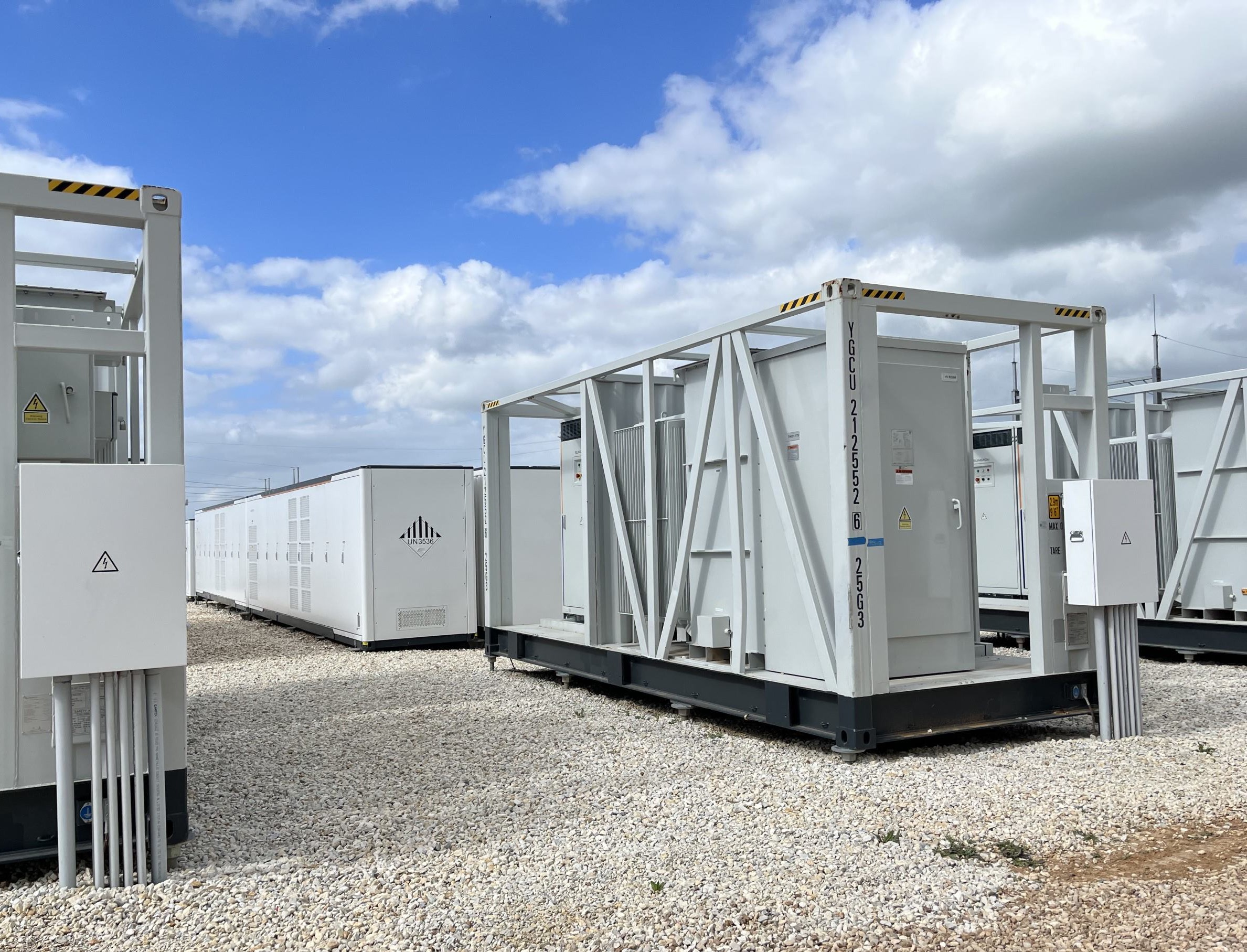
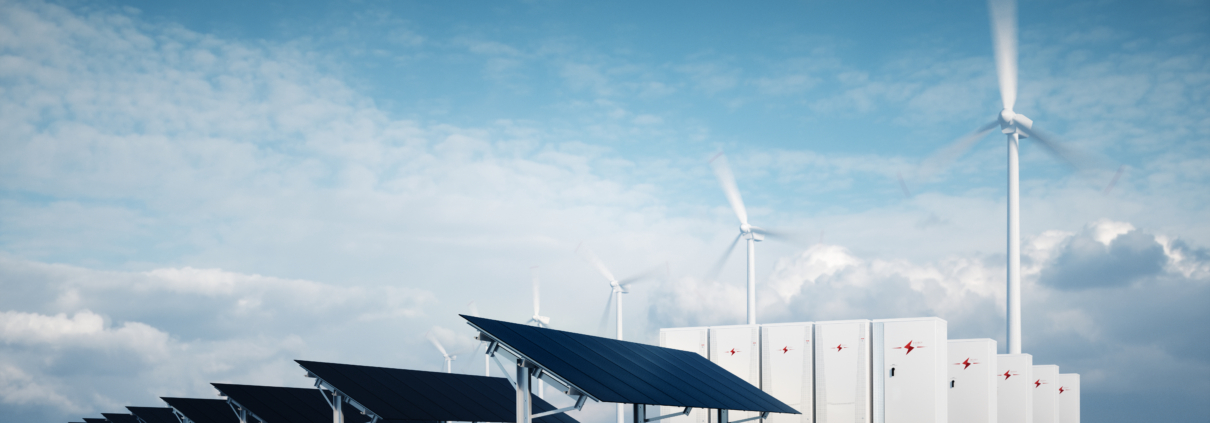
Renewable sources such as solar and wind are not available continuously. Consequently, energy storage has emerged as one of the most critical technical pillars of the transition. Lithium-ion batteries can store excess generation during peak production periods and discharge it when output declines, thereby stabilizing the system and ensuring continuity.
The growth trajectory of the global market underscores the importance of this component. In 2024, 69 GW / 169 GWh of battery energy storage systems (BESS) were deployed, representing a 55% year-over-year increase, according to the Volta Foundation’s annual report.
In that year alone, new installations added more than 45% of global cumulative energy storage capacity. As of today, total installed capacity stands at 160 GW / 363 GWh, with approximately 98% of that capacity corresponding to lithium-ion batteries.
This expansion is not merely a response to the technical imperative of grid stabilization; it also generates a tangible economic impact. By enabling renewables to operate more continuously and predictably, storage reduces their levelized cost of energy (LCOE) and accelerates market adoption. This creates a virtuous cycle: increased storage capacity enhances renewable viability, which in turn stimulates further investment in clean technologies.
While China and the United States are spearheading this expansion, Latin America is also beginning to advance—albeit at a more measured pace. BESS penetration in the region is rising, with Chile emerging as a leader and achieving a 42% increase in installations in 2024, according to a Wood Mackenzie report. Nevertheless, it remains a relatively modest fraction of total generation capacity, underscoring significant growth potential through 2025 and beyond.
A notable example is the BESS del Desierto project, developed by Atlas Renewable Energy in Chile: 200 MW of capacity and 800 MWh of storage, supported by USD 289 million in financing. The system ranks among the largest in Latin America and demonstrates how utility-scale storage can capture solar energy during daylight hours and deploy it during high-demand peaks, thereby enhancing the continuity and efficiency of renewable power delivery.
– How Does Storage Strengthen Power-System Resilience in Latin America?
Beyond renewable integration, storage enhances energy resilience in the face of extreme weather events. In a region where hydropower plays a structural role, drought poses a direct threat to supply stability.
Brazil experienced this vulnerability acutely in 2021 with its worst drought in a century, which dramatically reduced reservoir levels and triggered an energy crisis. In 2024, Colombia also confronted critical hydropower conditions due to insufficient rainfall. In such scenarios, batteries can help bridge temporary supply deficits and prevent rationing.
Storage also provides a buffer against demand volatility. The energy from BESS del Desierto, for instance, will be deployed to power electric transport infrastructure, both meeting consumption peaks and helping accelerate the decarbonization of mobility in Chile.
As sectors such as manufacturing and electric transport continue to expand their electricity consumption, having stored energy readily available enables a faster and more reliable response.
The challenge now is to close a substantial investment gap. While the IEA projects that global investment in storage would exceed USD 50 billion in 2024, emerging markets—including those in Latin America—still invest disproportionately little: merely one cent for every dollar invested by advanced economies.
Bridging that disparity will require proactive policy frameworks, targeted financial incentives, and continued innovation in business models.
Operational Technology
– Why Are Advanced Management Systems Essential for Integrating More Renewables?
As transmission networks incorporate a growing proportion of distributed renewable sources, the system’s efficient and secure operation increasingly depends on intelligent technology infrastructure.
Modern SCADA systems, smart sensors, and artificial intelligence algorithms enable second-by-second monitoring and optimization of grid operations, anticipating fluctuations in generation and demand.
According to the International Energy Agency (IEA), the digitalization of transmission networks is essential to integrate higher levels of renewable energy while maintaining system stability.
Additionally, the operational flexibility enabled by these technologies allows operators to respond rapidly to unforeseen events, prevent overloads, and optimize the utilization of existing infrastructure—thereby enhancing overall efficiency across the electricity system.
– How Does Digital Infrastructure Strengthen the Role of Corporations in the Energy Transition?
Digitalization extends far beyond operational efficiency; it has also become a foundational component of modern energy infrastructure. Through sensors, specialized software, and real-time data analytics, it enables energy to be managed in a more flexible, secure, and decentralized manner.
Smart meters and demand-management systems enable corporations to adjust their consumption based on renewable energy availability, thereby reducing costs and smoothing demand peaks. In energy-intensive sectors, this capability is crucial for maintaining competitiveness while upholding sustainability objectives.
Examples are already emerging across several countries in the region: dynamic tariffs, demand-response programs, and automated load management are beginning to reshape the relationship between consumption and generation. This bidirectionality transforms large consumers into active participants in the power system, capable of contributing flexibility and stability.
Digitalization also accelerates the deployment of emerging technologies such as industrial microgrids and electric vehicle fleets capable of feeding power back into the grid (vehicle-to-grid). All of this requires robust digital platforms, investment in data infrastructure, and technical capabilities aligned with this new operating paradigm.
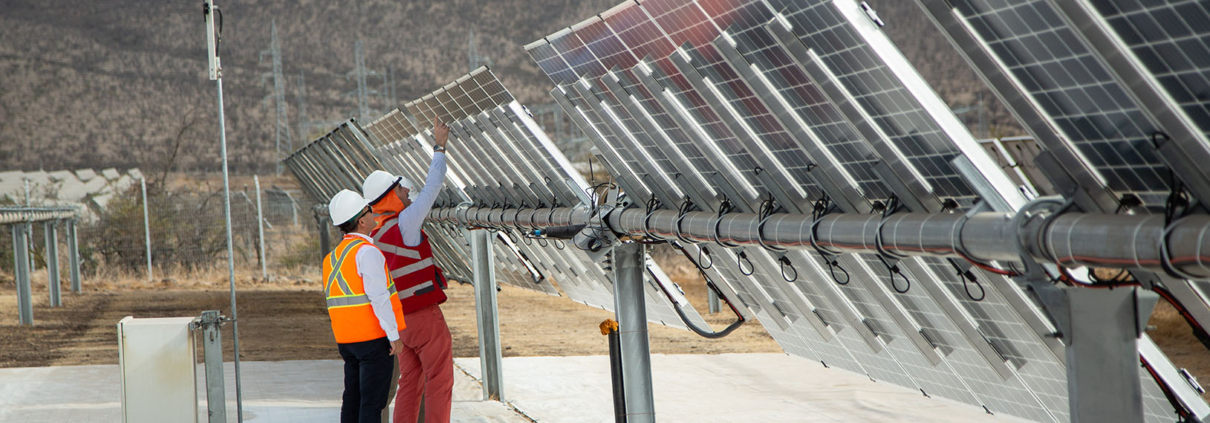
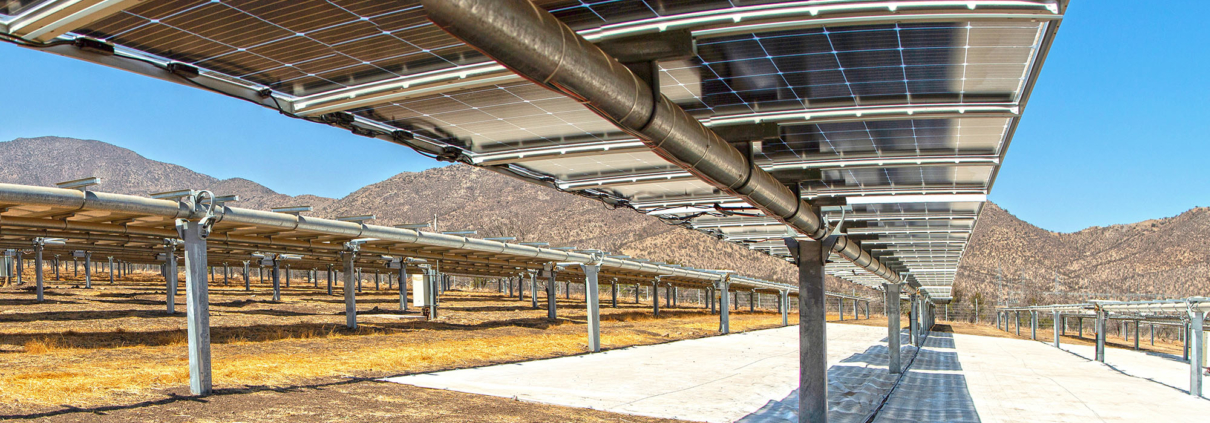
Companies such as Atlas Renewable Energy are also leveraging digitalization to optimize their projects. Developments like Estepa integrate next-generation hardware (such as bifacial panels and storage) with intelligent systems that enable dynamic energy management, improving operational efficiency and facilitating real-time integration of renewable energy.
Regulation
– Why Do Renewable Investments Require a Clear Regulatory Framework?
The energy transition advances only with clear and predictable regulations. Investments in clean generation, transmission networks, and storage—predominantly driven by the private sector—depend on well-defined permitting processes, transparent grid-access protocols, stable remuneration mechanisms, and, most critically, regulations that provide credible long-term investment signals.
Legally mandated national targets establish a clear long-term direction. Chile, for instance, aims for 70% of its power mix to originate from renewable sources by 2030 and to achieve carbon neutrality by 2050. Colombia is targeting a 51% reduction in greenhouse gas (GHG) emissions by 2030 and carbon neutrality by 2050. These objectives signal directly to investors the seriousness and commitment of both nations.
Furthermore, concrete policy instruments such as competitive auctions, feed-in tariffs, and power purchase agreements (PPAs) have proven effective in catalyzing market activity.
Public auctions have helped reduce the cost of renewable energy through competition, while feed-in tariffs provide fixed pricing that can render smaller projects—or projects in non-interconnected areas—financially viable. PPAs, in turn, have enabled large consumers to participate more actively in the market, reducing their exposure to price volatility and supporting long-term capital deployment.
Over the past decade, these mechanisms have helped lower costs and attract corporations across the region. Today, many markets are evolving toward more flexible structures—such as bilateral contracts—which likewise require strong legal frameworks.
For example, in 2025, Mexico approved legislation that limits private generators to 46% of market share to strengthen the role of the state. Concurrently, it introduced more explicit regulations to provide greater legal certainty. Reforms of this nature demonstrate how legislation can shape investor confidence and influence the pace of the energy transition.
Additionally, hybridization—combining solar generation with storage—is further advancing infrastructure capabilities.
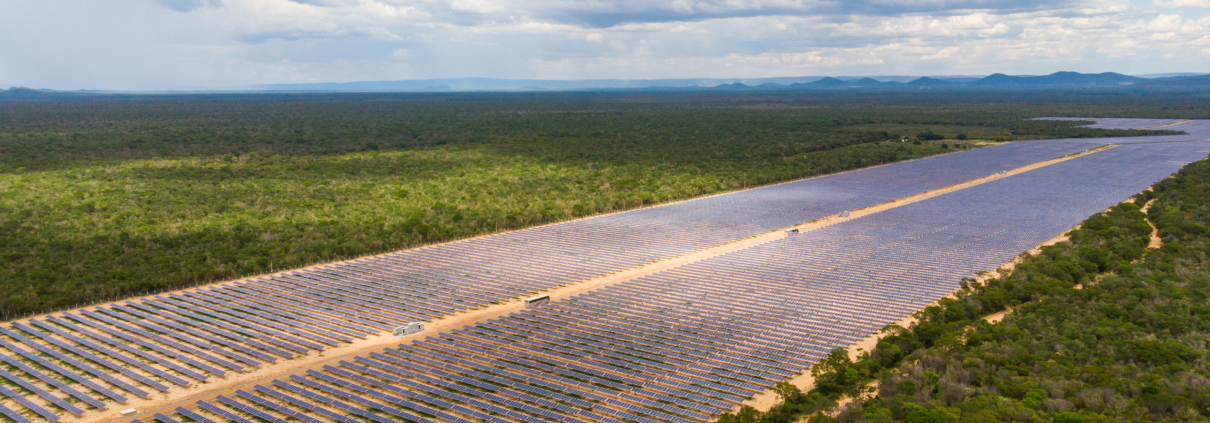
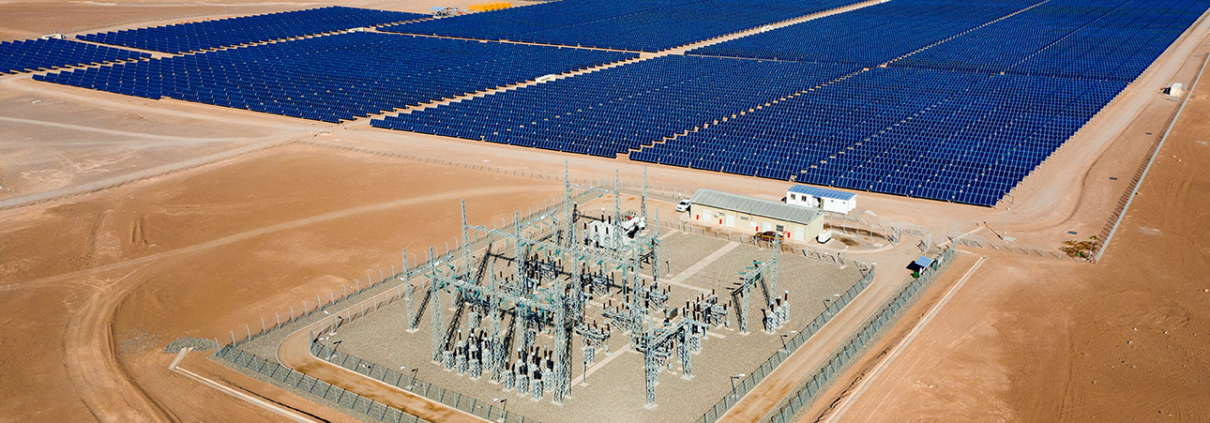
Projects such as Estepa (Chile), which pairs 215 MW of photovoltaic capacity with 418 MW of storage to ensure a continuous supply, or Draco (Brazil), a solar complex that integrates generation with robust grid connectivity through a substation and transmission line, are flagship examples of hybrid systems. These solutions deliver renewable energy that is more stable and continuous.
Supply Chain
– Why Is a Reliable Supply Chain Essential to Accelerating the Energy Transition?
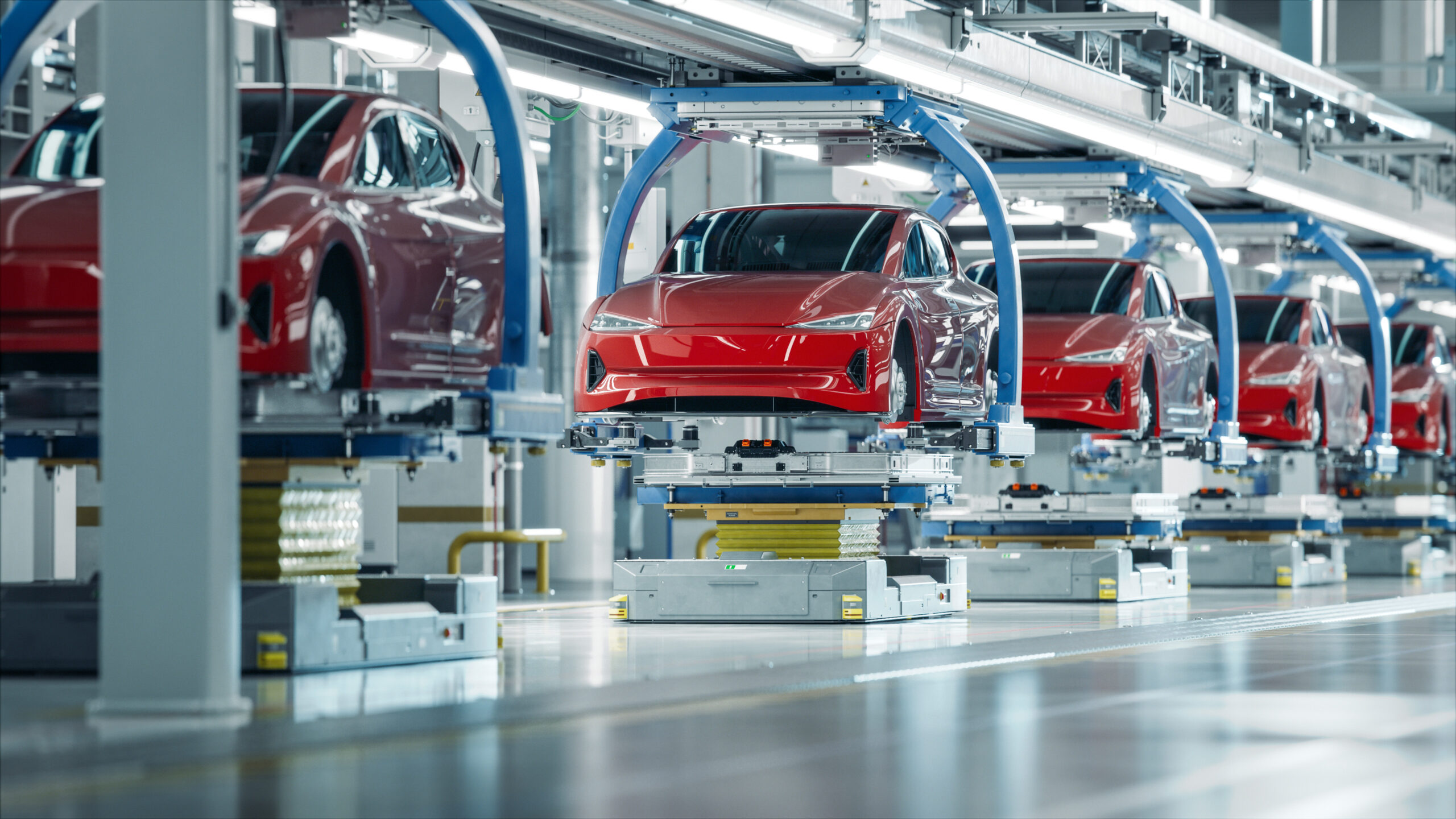
The energy transition requires equipment that is readily available, materials that are accessible, and logistics that operate seamlessly. From solar panels to batteries and turbines, everything depends on a supply chain capable of responding with speed and agility.
Recent years have underscored the system’s vulnerability. The pandemic, geopolitical conflicts, and semiconductor shortages have created bottlenecks, delays, and cost escalations for clean technologies. Beginning in 2023, some of that pressure began to ease: solar panel prices declined by approximately 30%, and the prices of critical minerals such as lithium and cobalt also fell.
However, structural risks persist. Today, much of clean-tech manufacturing is concentrated in a limited number of regions. Asia continues to dominate the production of panels and batteries, leaving other markets exposed to supply disruptions or trade tensions.
Consequently, several countries are taking action: they are working to attract manufacturing facilities and strengthen local production to reduce external dependency. Simultaneously, experts caution that the objective is not to dismantle global supply chains, but rather to diversify sources and secure strategic inventories. Resilience does not imply isolation—it means preparedness to respond expeditiously.
– How Does a Regional Supply Chain Strengthen the Infrastructure for the Energy Transition?
Latin America is not merely a consumer of clean technologies; it can also emerge as a strategic supplier of resources, processing capabilities, and manufacturing for the global energy transition.
Chile, Argentina, and Peru possess substantial reserves of lithium and copper—critical minerals for batteries, electric motors, and transmission networks. Brazil already operates wind-turbine assembly plants and solar manufacturing facilities, and Mexico has the industrial capacity to integrate into North American value chains through electric vehicles and solar panels.
The region has an opportunity to add value rather than simply export raw materials. Building local industry—processing, component manufacturing, and assembly—can reduce external dependence, create employment, and generate productive linkages that strengthen energy infrastructure in a more integrated manner.
However, realizing this role requires more than natural resources; it demands logistics infrastructure—ports, roads, specialized facilities—as well as policies that attract industrial investment and support growth with clear technical and environmental standards.
Latin America can also lead on another front: supply-chain sustainability. The region has the potential to position itself as a global benchmark for responsible mining, supported by rigorous social and environmental standards, and to advance toward a circular economy that recycles batteries, panels, and other equipment at the end of life.
Human Capital
– Why Is Human Capital a Strategic Pillar of the Energy Transition?
The energy transition also depends on people being prepared to execute it. Without trained installers, technicians, engineers, and operators, neither panels nor turbines will function—and grids cannot be effectively managed.
A skills gap is already evident: there is a shortage of certified installers, engineers with renewable-energy expertise, and highly specialized technical personnel. This shortage constrains projects and delays the achievement of targets.
However, there is also a substantial opportunity. In 2023 alone, renewable energy employment grew by 18% globally, reaching 16.2 million positions, according to IRENA. Latin America is already beginning to distinguish itself: Brazil, for instance, accounts for more than 1.5 million green jobs.
Most critically, local talent must be developed. That means training technicians in solar installation, updating university curricula to include topics such as smart grids and batteries, and creating pathways for workers from other sectors to reskill and transition into clean-energy roles.
– How Can Latin America Close the Clean-Energy Talent Gap?
The region possesses the human potential, but it requires concrete training and upskilling mechanisms. Efforts must scale up, aligning corporations, governments, and educational institutions, and investing in programs that connect people to the industry’s emerging roles.
A compelling example is the “We Are Part of the Same Energy” initiative, led by Atlas Renewable Energy, which provides technical training to local communities—linking inclusion with energy development. These programs not only impart skills but also create employment opportunities and foster community engagement.
It is also essential to expand pathways for women in the sector and to promote continuous learning, as technologies evolve rapidly and staying current is no longer optional.
The energy transition will only be equitable and successful if a transformation in employment accompanies it. Having skilled talent is not discretionary—it is what ensures that solar installations operate, grids perform, and the region advances toward a sustainable energy future.
Purpose-Driven Infrastructure: The Engine Behind the Energy Transition
Latin America’s energy transition does not depend solely on adding renewable capacity; it also depends on building a robust and integrated infrastructure with a long-term perspective.
Modern transmission networks, reliable storage, digital systems, stable regulatory frameworks, strategic supply chains, and skilled talent are not isolated components—they constitute an ecosystem that enables progress with resilience and purpose.
Colombia, Mexico, Chile, and Brazil already demonstrate that it is possible to combine natural resources with strategic decision-making. Along this path, players such as Atlas Renewable Energy contribute experience, innovation, and direct collaboration with governments and communities.
The challenge is clear—and so is the opportunity. If these elements are integrated effectively, the region will not only advance the energy transition; it will do so with resilience, purpose, and regional leadership.
At Atlas Renewable Energy, we have a WhatsApp channel ready to assist you. Through it, you can get quick answers to your questions. Contact us and discover how easy it is to connect with us!
This article was created in partnership with Castleberry Media. At Castleberry Media, we are dedicated to environmental sustainability. By purchasing carbon certificates for tree planting, we actively combat deforestation and offset our CO₂ emissions threefold.
Share This Entry