
Firm energy for large industries: Chile’s bet on renewables + BESS
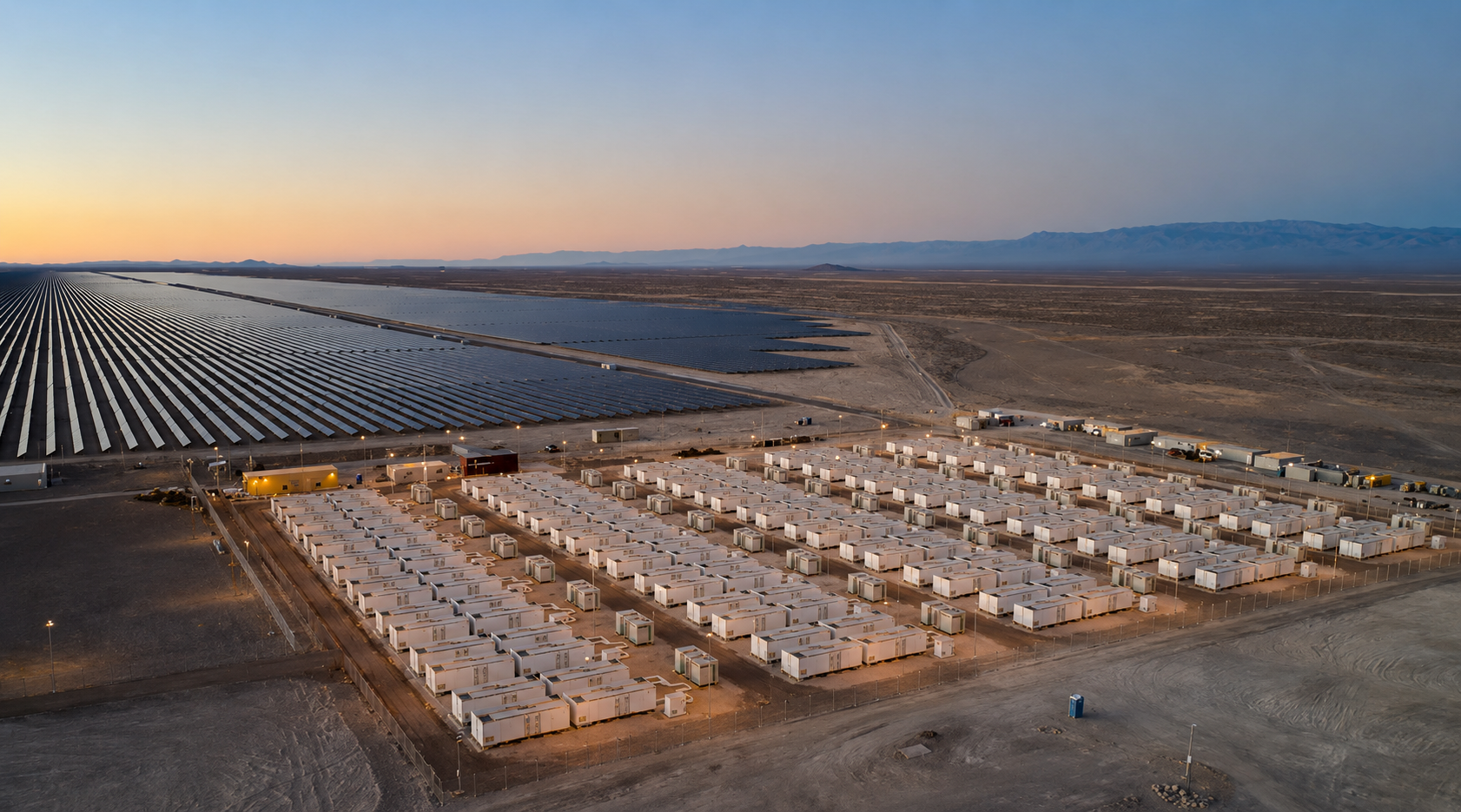
According to the International Energy Agency’s Electricity Electricity 2026,electricity demand from energy-intensive industries continues to rise. Between 2026 and 2030, average global growth is projected at 3.6% annually, nearly 50% higher than in the previous decade. This increase is being driven by process electrification, production expansion, automation, and greater demands for operational continuity.
Sectors such as data centers, mining, steelmaking, and energy-intensive manufacturing are increasingly dependent, relying on energy as a critical input for competitiveness. This surging demand is placing mounting pressure on power systems that, in many markets, are already operating near capacity.
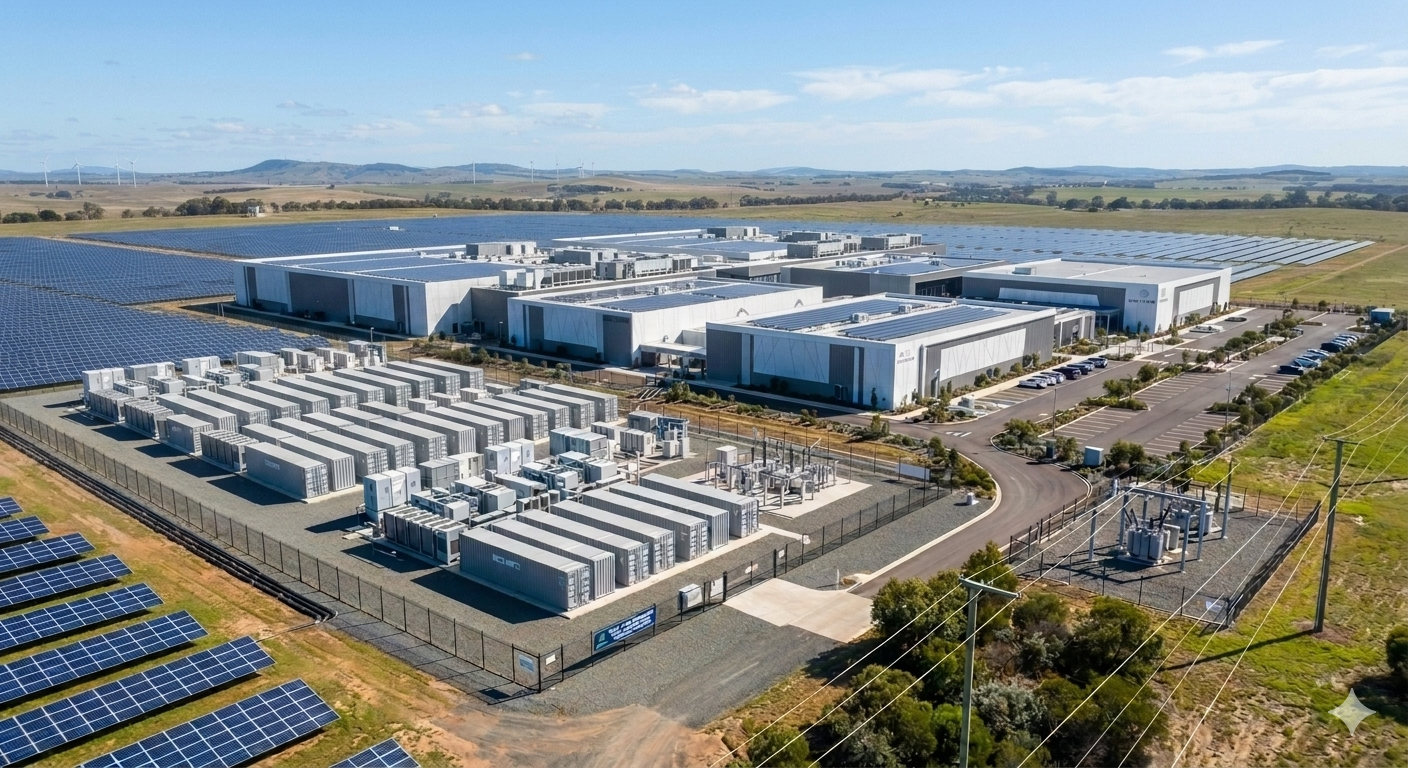
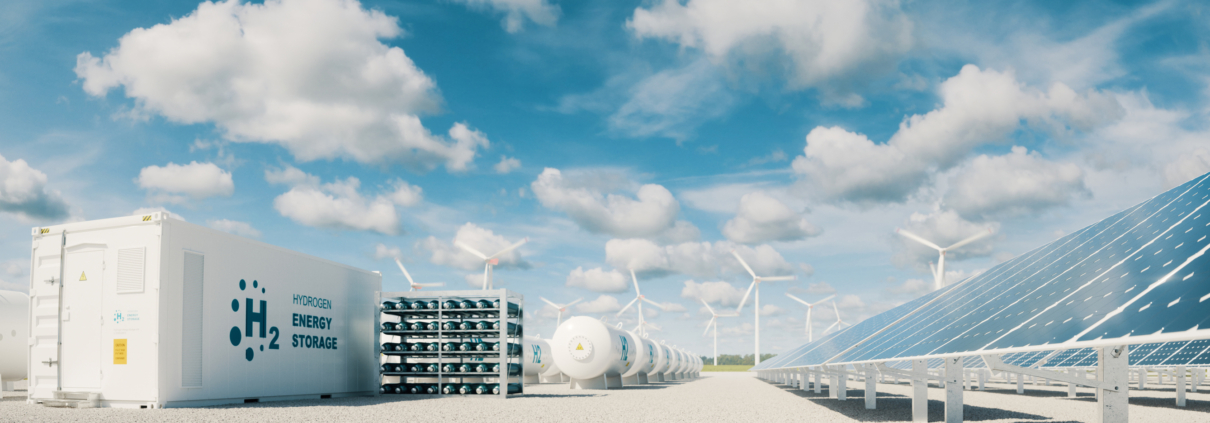
At the same time, the energy transition is already addressing a fundamental industrial need: ensuring supply reliability by integrating battery energy storage systems (BESS) to complement renewable generation. These systems support demand growth while strengthening industrial competitiveness by enabling companies to plan and secure their energy capacity through more predictable hybrid structures.
Chile is currently the most advanced case in Latin America: as of January 2026, it had 1,986 MW in operation, 462 MW under commissioning, and 6,902 MW under construction. Its experience raises a key question for the region: what structural shift in its model turned the energy transition into a competitive advantage?
The Regulatory Evolution that Enabled the Mass Adoption of BESS in Chile
Reaching this stage of the energy transition required landmark regulatory milestones that fundamentally altered the rules of the game. Most notably, the approval of the Storage and Electromobility Law (Law N° 21.505), in 2022, and the publication in 2024 of Supreme Decree N° 70 , which amended the Regulation on Capacity Transfers among generation companies.
As a result, Chile recognized energy storage as an asset eligible for power recognition, with percentages ranging from 36% to 100% for systems with a minimum duration of 5 hours.
This recognition translates into stable revenue streams that render BESS projects financially bankable, not merely technically feasible. From the perspective of developers already operating these systems, this represented a clear inflection point for storage’s viability in the country.
“By far, the main factor that incentivized the high penetration of storage in Chile was capacity recognition. When you look at it in the financial model, that payment accounts for a significant percentage of revenues and is what makes projects bankable.”
— Claudio Cepeda, BESS Manager, Atlas Renewable Energy Chile
This regulatory framework continues to strengthen. In 2025, the CNE approved a remuneration methodology that allows batteries to participate in ancillary services – including frequency control, operating reserves, and grid flexibility – opening a new revenue stream that further expands project economics and cements storage as essential infrastructure within Chile’s power matrix.
What BESS Means for Energy-Intensive Industries?
The distinction between conventional and hybrid energy systems has a direct bearing on operations and competitiveness, primarily by reducing dependence on spot-market purchases. This volatile segment can expose companies to elevated and unpredictable costs during peak-demand hours.
Similarly, the integration of energy storage systems is becoming a key factor in operational reliability, optimizing costs and improving the predictability of energy supply. These systems enable the storage of low-cost energy when it is available, for example, storing all solar production at midday, and its tactical use during peak-demand periods to mitigate the impact of tariff spikes.
In other words, while storage systems optimize the energy costs of industrial operations, they also provide concrete solutions to two critical operational challenges:
Unplanned outages and supply constraints: Stored energy reserves act as a safeguard against grid disruptions or main supply failures, keeping critical equipment running and avoiding costly downtime.
Energy uncertainty: The ability to forecast and manage self-consumption reduces exposure to real-time market fluctuations, providing greater operational certainty and supporting more confident long-term planning and capital allocation.
What changes strategically when an industry integrates BESS into its operations?
BESS transforms variable renewable energy into firm, dispatchable power, reducing exposure to spot-market volatility, particularly during peak-demand hours. It enables companies to capture low-cost generation, such as midday solar output, and dispatch it when demand and prices are highest, optimizing costs and reducing curtailment. Beyond efficiency gains, it functions as an energy buffer that protects operational continuity, prevents unplanned outages, and provides the financial predictability required for long-term investment decisions.
From Theory to Practice: Storage Already Delivering Results
This is where operational experience demonstrates tangible value. Standalone BESS systems and hybrid solar-plus-storage projects are already transforming variable renewable generation into firm, dispatchable supply.
A study by Chile’s National Electricity Coordinator found that 2 GW of installed battery capacity could reduce renewable curtailment by up to 40% and generate a system-wide benefit of USD 513 million, savings that would ultimately flow through to consumers in the form of lower, more stable tariffs. By 2025, this impact had already begun to materialize: operational BESS systems reduced potential annual curtailment by 24%, preventing the waste of 2,000 GWh of clean energy.
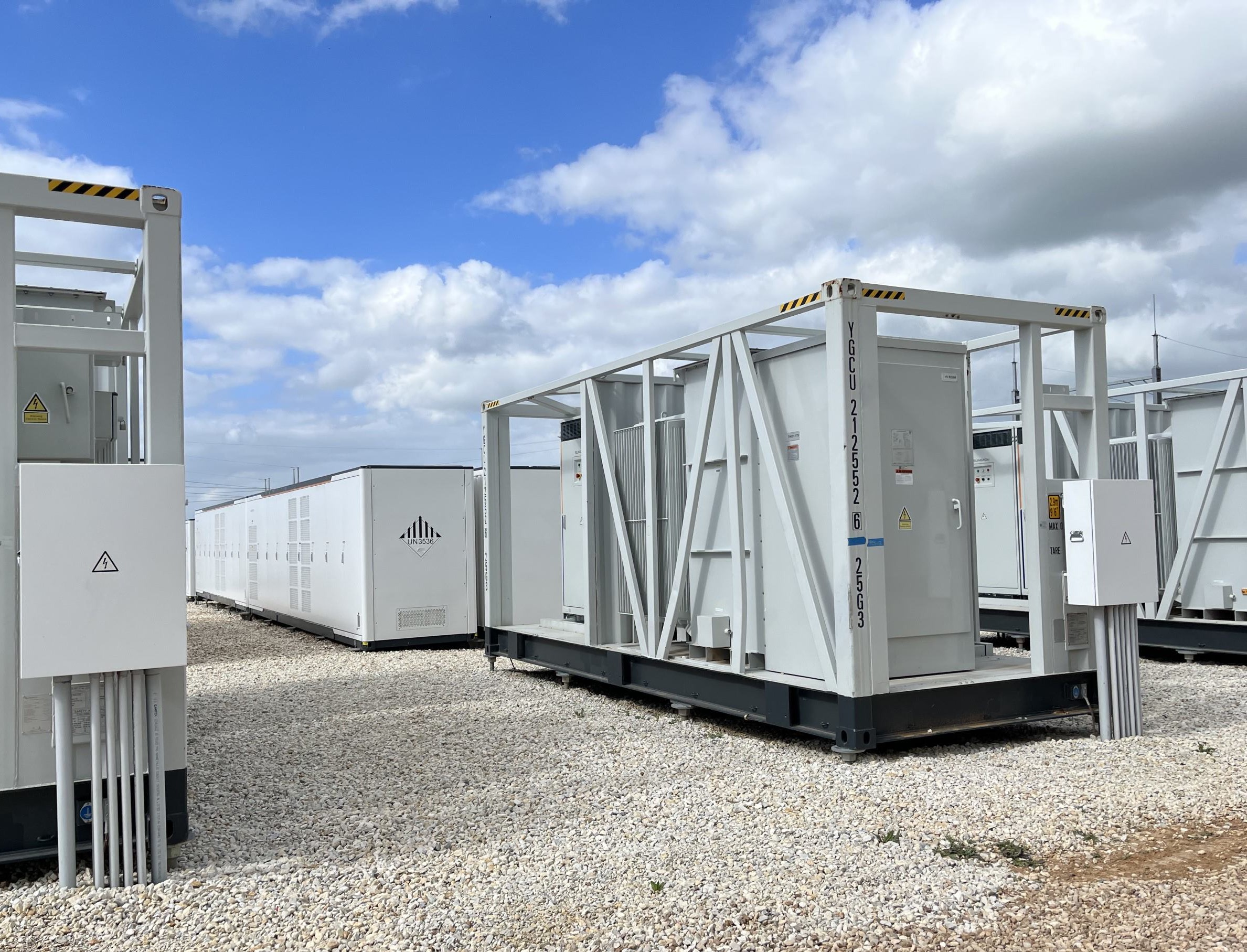
A concrete example is BESS del Desierto, a large-scale standalone storage project developed by Atlas Renewable Energy in Chile – a first-of-its-kind asset in both the country and Latin America. With 200 MW of power capacity and 800 MWh of storage capacity, the project converts renewable energy surpluses into a supply available during critical demand hours, providing system stability and greater cost predictability for industrial customers.
Yet, its innovation extends beyond the technical: it also reshaped the contractual model. The project introduced a structure that treats storage as energy infrastructure, separating ownership and operation of the asset from the customer usage.
“BESS del Desierto operates under a tolling-type structure: Atlas develops, builds, and operates the system, while the customer leases the infrastructure. It is not an energy supply contract; it is having the asset ready to operate according to the grid coordinator’s instructions.”
— Claudio Cepeda, BESS Manager, Atlas Renewable Energy Chile
Under this structure, the industrial customer gains access to firm energy, more stable costs, and reduced exposure to spot-market volatility. At the same time, the system’s technical operation is managed in accordance with the electricity coordinator’s dispatch instructions. This enables storage to serve as a strategic backup asset, aligned with both the power system’s operational needs and the customer’s business continuity objectives.
Furthermore, the value of storage also evolves with its adoption rate. As penetration increases, batteries progressively take over the flexibility, backup, and grid-stability services that previously depended on thermal generation. They also enable rapid-response backup capacity without reliance on fossil fuels, strengthening system resilience and offering greater protection for industrial customers amid rising demand and growing operational complexity.
A Replicable Model for the Region
Chile has demonstrated that it is possible to transform intermittency and price volatility into firm, predictable, and financially robust energy. The trend is now extending to other major Latin American markets, including Brazil, Mexico, and Colombia.
Brazil is advancing its first dedicated battery auction, the S Reserve Capacity Auction (LRCAP Storage) – featuring ten-year contracts and supply scheduled to commence in August 2028. Originally planned for April 2026, the Ministry of Mines and Energy confirmed its launch for that month, though the process has already undergone prior timeline adjustments.
PIn Mexico, the current administration awarded more than 3 GW of renewable capacity and 1,257.4 MW of storage systems under the 2025 Call for Private Generation Projects.
In Colombia, storage regulation has advanced steadily.. TFollowing the publication of Draft Resolution No. 701-103 of 2025, which established the technical, commercial, and operational conditions for integrating BESS into the National Interconnected System and recognized storage as a grid asset, the government issued Decree No. 0393/2026 in April 2026. This landmark regulation, for the first time, defines the framework for integrating storage into the national power system, establishes remuneration timelines, and consolidates its role as a key infrastructure component.
These developments demonstrate that, while each market operates within its own context, the regional trajectory is clear: integrating energy storage to convert renewables into firm power, with clear regulatory signals and contracts that inspire investors´ confidence and provide supply security for industrial buyers.
For industrial companies across Latin America, the strategic imperative is evident: the question is no longer simply whether to consume renewable energy, but whether that energy will be reliably available when operations require it. Energy firmness translates directly into lower risk, more predictable costs, and a durable competitive advantage.
Frequently Asked Questions
How can a company determine whether the time is right to integrate BESS into its energy strategy?
The decision hinges not solely on energy prices but also on the company’s exposure to spot-market volatility, the operational criticality of its processes, and the projected trajectory of its electricity demand. Energy-intensive industries, organizations with capacity expansion plans, or those with ambitious decarbonization commitments may find in storage a strategic lever for reducing operational risk and enhancing financial predictability. Stress-testing volatility scenarios, mapping hourly consumption profiles, and auditing existing contractual arrangements are the critical first steps in determining the optimal timing for deployment.
Why is the tolling contractual model particularly relevant for industrial companies?
The tolling model enables industrial companies to access storage capacity without assuming responsibility for the asset’s technical operation. The developer finances, builds, and operates the system, while the customer leases the underlying infrastructure, securing access to firm energy and greater financial predictability without adding operational complexity to its balance of responsibilities.
What signals suggest that energy storage is poised to consolidate across Latin America?
Regulatory momentum in Chile, dedicated storage auctions in Brazil, and evolving integration frameworks in Mexico and Colombia point to an unmistakable regional inflection point: the accelerating adoption of energy storage systems as the mechanism to convert intermittent renewables into firm, dispatchable energy and, in doing so, to attract long-term investment and reinforce industrial competitiveness across the region.
This article was created in partnership with Castleberry Media. At Castleberry Media, we are dedicated to environmental sustainability. By purchasing carbon certificates for tree planting, we actively combat deforestation and offset our CO₂ emissions threefold.
Share This Entry